Future-Proofing Your Home: The Most Lucrative Sustainable Upgrades for 2026
Discover the eco-friendly home improvements that actually increase resale value in 2026, from smart energy systems to sustainable materials.
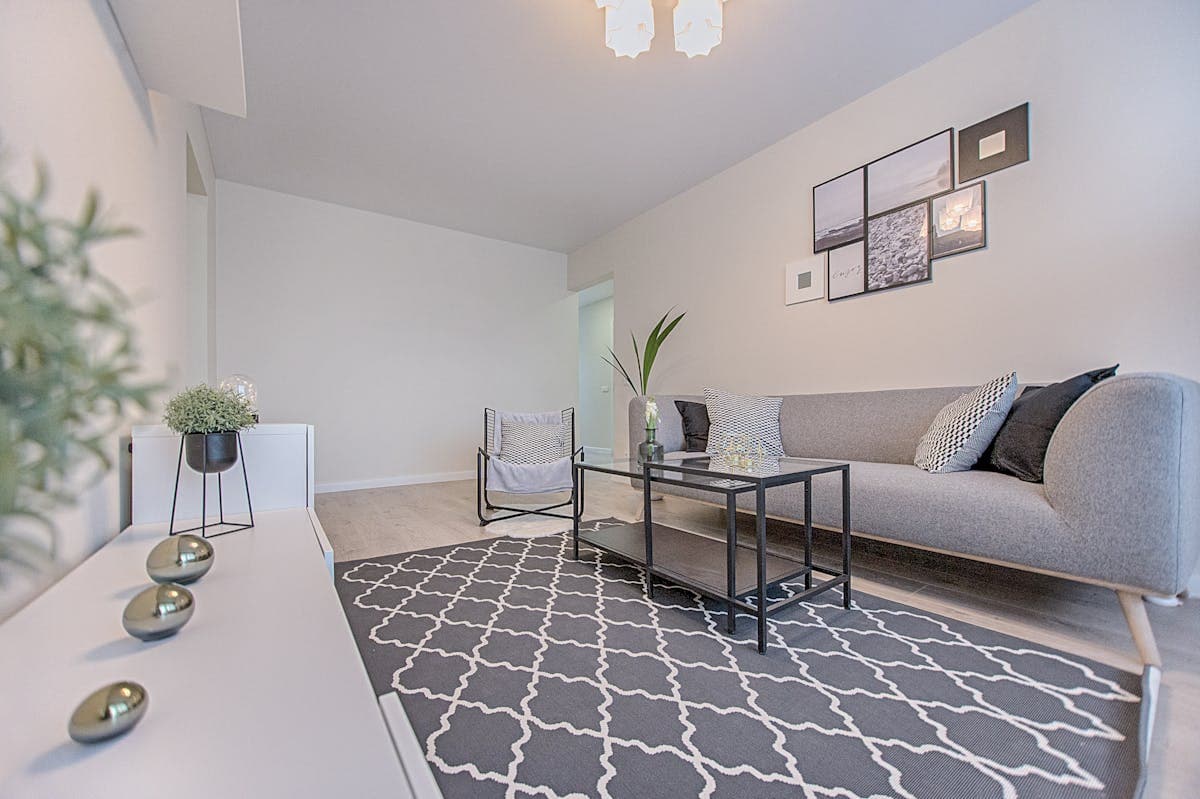
For decades, "green" home improvements were often viewed as niche additions—nice-to-have features for the environmentally conscious but rarely the primary driver of a home's valuation. However, as we move through 2026, the paradigm has shifted. Sustainability is no longer a luxury or a moral choice; it is a financial imperative. With rising energy costs, stricter building codes, and a generation of buyers who prioritize planetary health as much as square footage, the "green premium" is real and growing.
Future-proofing your home isn't just about installing a few LED bulbs or a smart thermostat. It's about a holistic approach to energy, materials, and resource management. For homeowners and investors, the goal is to identify the intersection between environmental impact and Return on Investment (ROI). Not every eco-friendly upgrade adds value, but the ones that do can significantly shorten your time on the market and increase your final sale price. In this guide, we will explore the specific upgrades that are moving the needle for luxury and mid-market buyers in today's climate.
The Foundation: Starting with a Professional Energy Audit
Before spending a dime on hardware, the most lucrative move a homeowner can make is investing in a professional energy audit. Many people jump straight to solar panels, but if your home's "envelope" is leaking air, you're essentially trying to fill a bucket with holes. A thermal imaging audit identifies exactly where heat is escaping and where cold air is infiltrating, providing a data-driven map for all subsequent improvements.
Pro Tip: An energy audit often reveals that the highest ROI comes from the "invisible" upgrades—sealing gaps in the attic, updating weatherstripping, and adding high-performance insulation—before moving to expensive mechanical systems.
By addressing the envelope first, you ensure that any subsequent upgrades, like a new HVAC system, are sized correctly and operate at peak efficiency. This prevents the common mistake of over-investing in a high-capacity system that is wasted on a drafty house. In 2026, buyers are increasingly asking for energy audit reports during the due diligence process, making this a tangible asset you can present during a sale.
High-Impact Upgrades for Maximum ROI
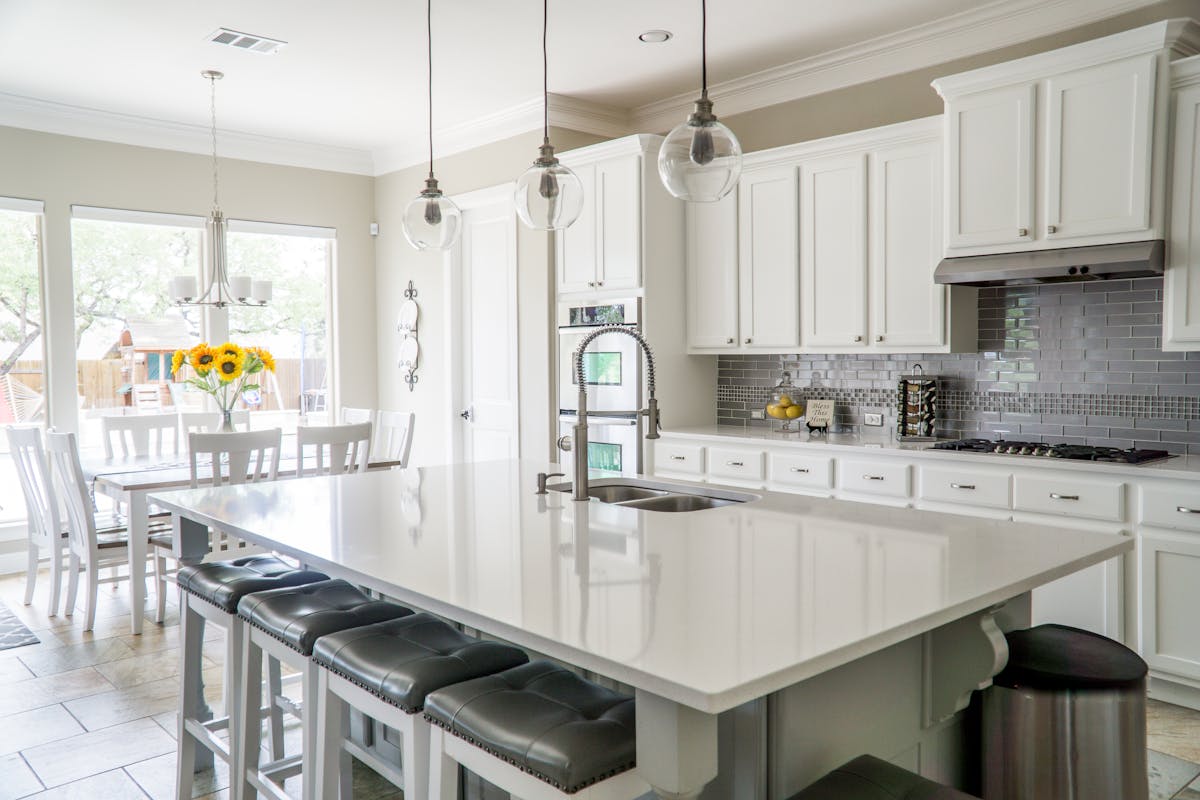
1. The Shift to High-Efficiency Heat Pumps
In 2026, the transition away from fossil-fuel-based heating is accelerating. Electric heat pumps, which provide both heating and cooling through a single system, have become the gold standard. Modern units are incredibly efficient even in colder climates, and many local governments now offer substantial rebates or tax credits for making the switch. This creates a "win-win" scenario: you reduce your monthly carbon footprint and your monthly bill simultaneously.
From a buyer's perspective, a home that is already "electrified" is far more attractive. It removes the future burden of updating old furnaces and aligns with the growing trend of net-zero living. When listing a home, highlighting a high-SEER2 rated heat pump can be a major selling point for tech-savvy, cost-conscious buyers who are wary of the volatility of natural gas prices.
2. Solar Integration and Battery Storage
Solar panels are now a mature technology, but the real value add in 2026 is energy storage. While panels generate power during the day, battery systems (like the Tesla Powerwall or similar competitors) allow homeowners to store that energy for peak usage times or during grid outages. This transition from "passive generation" to "active management" is where the real equity is built.
Homes equipped with integrated solar-plus-storage systems are increasingly seen as "resilient" properties. In areas prone to power instability or extreme weather, this isn't just an energy saver—it's a security feature. Buyers are willing to pay a premium for a home that can remain fully functional during a blackout, effectively decoupling their lifestyle from the fragility of the grid. When marketing such a property, the narrative should shift from "saving money" to "guaranteed independence."
3. Smart Water Management and Greywater Systems
Water scarcity has pushed sustainable plumbing from the fringe to the mainstream. Upgrading to smart leak detection systems—which can automatically shut off the main water valve when a burst pipe is detected—is an easy win for insurance premiums and peace of mind. These systems prevent the kind of catastrophic water damage that can derail a sale during a home inspection.
For those looking at more significant renovations, greywater recycling systems—which treat water from sinks and showers for use in irrigation—are becoming highly prized in drought-prone regions. A landscaped garden that thrives without taxing the municipal water supply is a luxurious asset that speaks to a home's long-term viability. As water restrictions become more common, the ability to maintain a lush exterior without municipal water becomes a significant competitive advantage.
The Aesthetics of Sustainability: Materials that Matter
Beyond the mechanicals, the materials used in a renovation significantly impact the "perceived value" of a home. In 2026, buyers are moving away from synthetic, high-VOC materials in favor of organic, durable alternatives that feel better and smell better.
Consider the following materials for your next refresh to ensure maximum appeal:
- Bamboo and Cork Flooring: These provide a warm, modern aesthetic while being rapidly renewable. They are often more durable than traditional hardwoods and offer better acoustic properties, reducing noise transfer in multi-story homes.
- Recycled Steel and Composite Decking: Moving away from pressure-treated lumber toward recycled composites reduces maintenance costs—a huge draw for buyers who want a "lock-and-leave" lifestyle without the need for annual staining and sealing.
- Low-VOC Paints and Natural Fibers: Improving Indoor Air Quality (IAQ) is a health-driven trend. Using non-toxic paints and natural wool or linen accents creates a "wellness" atmosphere that is palpable during a walkthrough, often subconsciously influencing the buyer's emotional connection to the space.

The Psychology of the Green Buyer
Why are these upgrades so lucrative? It comes down to three primary psychological drivers: Cost Certainty, Health, and Identity.
Cost Certainty: In an era of volatile utility prices, a home with low operating costs offers financial predictability. A buyer isn't just buying a house; they're buying a predictable monthly budget. The "invisible" costs of homeownership are a major source of anxiety; removing that volatility adds immense value.
Health: The link between sustainable building materials and respiratory health is well-documented. "Healthy Homes" are a growing segment of the market, where buyers seek out non-toxic environments for their children and pets. The use of air purification systems integrated into the HVAC and the removal of formaldehyde-based glues are now key checkpoints for high-end buyers.
Identity: For many Millennials and Gen Z buyers, their home is an extension of their values. Owning a home that is carbon-neutral or energy-efficient is a status symbol of the 21st century, replacing the traditional "big house" status with "smart, sustainable house" status. It's a way of signaling a commitment to the future while enjoying a luxury present.
Balancing Cost vs. Value
While the trend is clear, the rule of thumb remains: avoid over-improving for the neighborhood. While a full-scale geothermal system is an incredible piece of engineering, it may not provide a full ROI in a mid-market suburb where the average buyer is more concerned with a new kitchen. The key is to scale your upgrades to the expected buyer profile of your specific area.
We recommend a tiered approach to sustainability investments:
- Tier 1 (High ROI/Low Risk): Energy audits, attic insulation, LED lighting, and smart thermostats.
- Tier 2 (Moderate ROI/Medium Risk): High-efficiency heat pumps, low-VOC paint, and sustainable flooring.
- Tier 3 (Long-term Value/High Investment): Solar plus battery storage, greywater systems, and geothermal heating.
By following this hierarchy, you ensure that every dollar spent on sustainability is a dollar added to your home's equity. Whether you are preparing to sell in the next six months or investing for the next decade, the goal is the same: create a home that is as efficient as it is beautiful. The future of real estate is green, and those who adapt now will reap the rewards at the closing table.
Sources & References
Sources & References
- Sustainability — National Association of Realtors
- Energy Saver — U.S. Department of Energy
Ready to grow your real estate brand?
2,900+ ready-to-post real estate posts. Schedule to Instagram, Facebook, LinkedIn, Threads, TikTok, and Pinterest automatically.