Summer Home Buying Guide: How to Navigate a Hot Market Without Burning Out
Beat the heat and the competition with this summer home buying guide. Learn how to move fast, stay cool, and make a winning offer without overpaying in a competitive market.
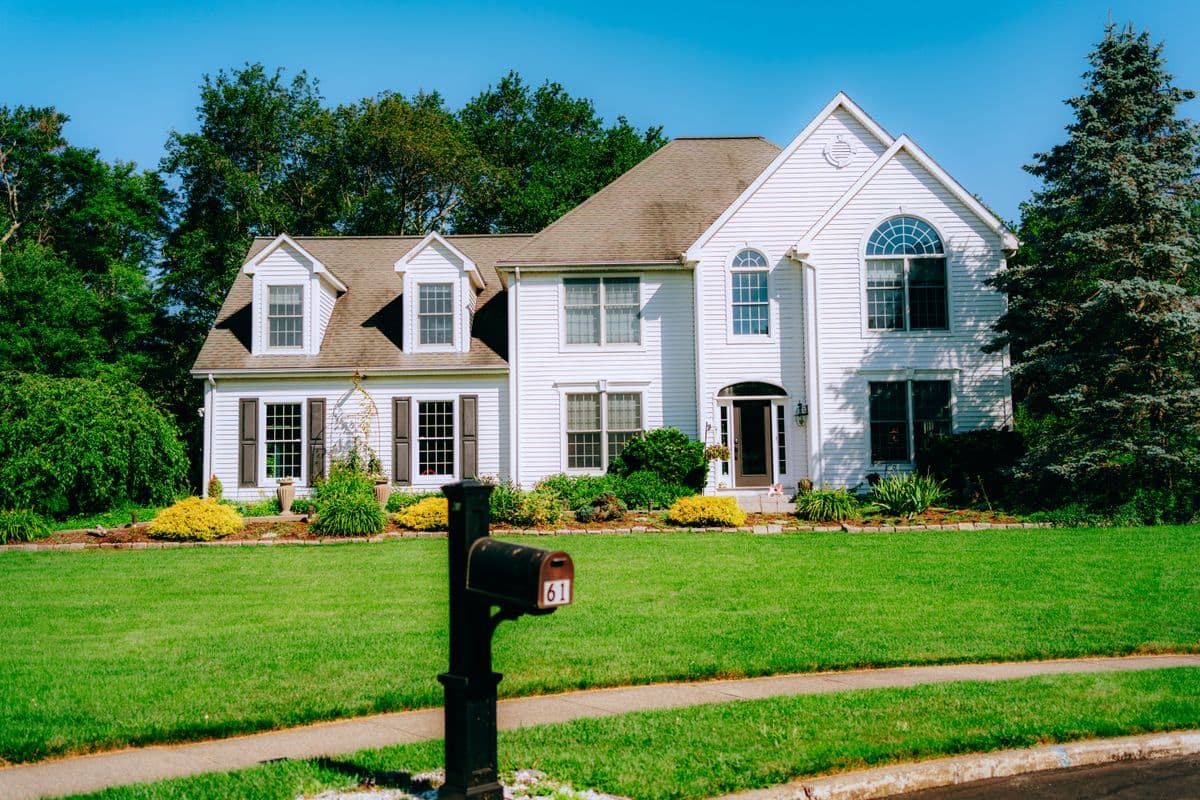
Summer is the busiest season in real estate. More listings hit the market, more buyers are actively searching, and open houses feel like crowded block parties. For buyers, the combination of heat, competition, and pressure can be overwhelming — but it can also be the right time to buy if you approach it strategically. This guide will help you navigate the summer market with a clear plan: how to move fast when the right home appears, how to avoid common pitfalls, and how to make an offer that stands out without overpaying.
Prepare Before You Shop
The best thing you can do before touring a single home is get your financial house in order. In a hot summer market, hesitation costs deals. Buyers who are pre-approved, not just pre-qualified, have a significant advantage. A full underwriting pre-approval signals to sellers that your financing is solid and that you can close quickly. Work with your lender to submit all documentation — tax returns, bank statements, employment verification — before you start making offers.
Also clarify your non-negotiables versus your nice-to-haves. Summer listings often move in days, not weeks. If you know exactly what you need in terms of location, bedrooms, commute, and layout, you can evaluate homes faster and make confident decisions under pressure. Create a simple scoring rubric: rate each home on location, condition, price, and long-term value. A score above your threshold means it is time to move, not debate.
Understand Summer Market Dynamics
Summer inventory typically rises because families want to move before the school year starts. That means more choices, but also more competition from buyers with the same deadline. The rush creates a compressed timeline: homes list on Thursday, show over the weekend, and accept offers by Monday or Tuesday. If you are not ready to act within 24 to 48 hours of seeing a home you love, you will miss it.
In a summer market, speed is a competitive advantage. The buyers who win are the ones who have already done the homework, toured with intent, and can submit a clean offer the same day.
Another dynamic to watch is seasonal pricing. Sellers who list in summer often price aggressively because they know demand is high. That does not mean every asking price is justified. Use comparable sales from the past 60 days, not six months ago, to anchor your offer. Markets shift quickly, and outdated comps can lead to overpayment.
Tour With Purpose and Efficiency
Weekend open houses in summer can be exhausting. Instead of cramming in a dozen back-to-back showings, focus on quality over quantity. Review listings carefully the night before, eliminate homes that clearly do not fit, and group tours by neighborhood to minimize driving time. Bring a checklist of your must-haves and take quick notes with your phone. Photos of each room help you reconstruct details later when you are deciding between multiple options.
Pay attention to signs of deferred maintenance that heat can hide: check the age of the HVAC system, look for water stains near rooflines, and ask about utility costs. A home that feels cool during a summer tour may have an overworked or aging air conditioner. Those are not deal-breakers, but they are negotiating points you can use to justify a lower offer or request a credit.

Make an Offer That Wins
In a competitive summer market, your offer needs to be clean, strong, and strategic. Here are the elements that matter most:
- Short inspection period: A five-day inspection instead of fifteen shows the seller you are serious and not shopping for an escape hatch. Just make sure your inspector can deliver a thorough report on that timeline.
- Flexible closing: If the seller needs time to relocate, offer a rent-back or delayed closing. Convenience is often worth more than a few thousand dollars to a seller.
- Escalation clause: Consider an escalation clause that automatically increases your offer above competing bids up to a cap you define. Use this carefully — your cap should reflect the home's true value to you, not your desperation to win.
- Strong earnest money: A larger earnest money deposit shows financial commitment. It does not cost you more in the end if the deal closes, but it signals seriousness upfront.
Avoid making offers on homes you do not genuinely want just to stay in the game. Emotional fatigue is real in summer markets, and buyers who stretch their budget or waive protections they actually need often regret it later. Win with discipline, not recklessness.
Protect Yourself from Overpayment
The pressure to compete can push buyers above their budget. Set a hard ceiling before you make any offer and treat it as non-negotiable. Your ceiling should be based on what the home is worth to you functionally and financially, not on what you think it will appraise for. Appraisals can lag in fast-moving markets, and a low appraisal can derail financing if you have not planned for it.
Another smart move is to get a preliminary title review and HOA document review done quickly if applicable. Summer sellers are often moving under their own deadlines, and surprises in the title or association rules can waste precious days. The faster you surface issues, the more options you have to address them or walk away cleanly.
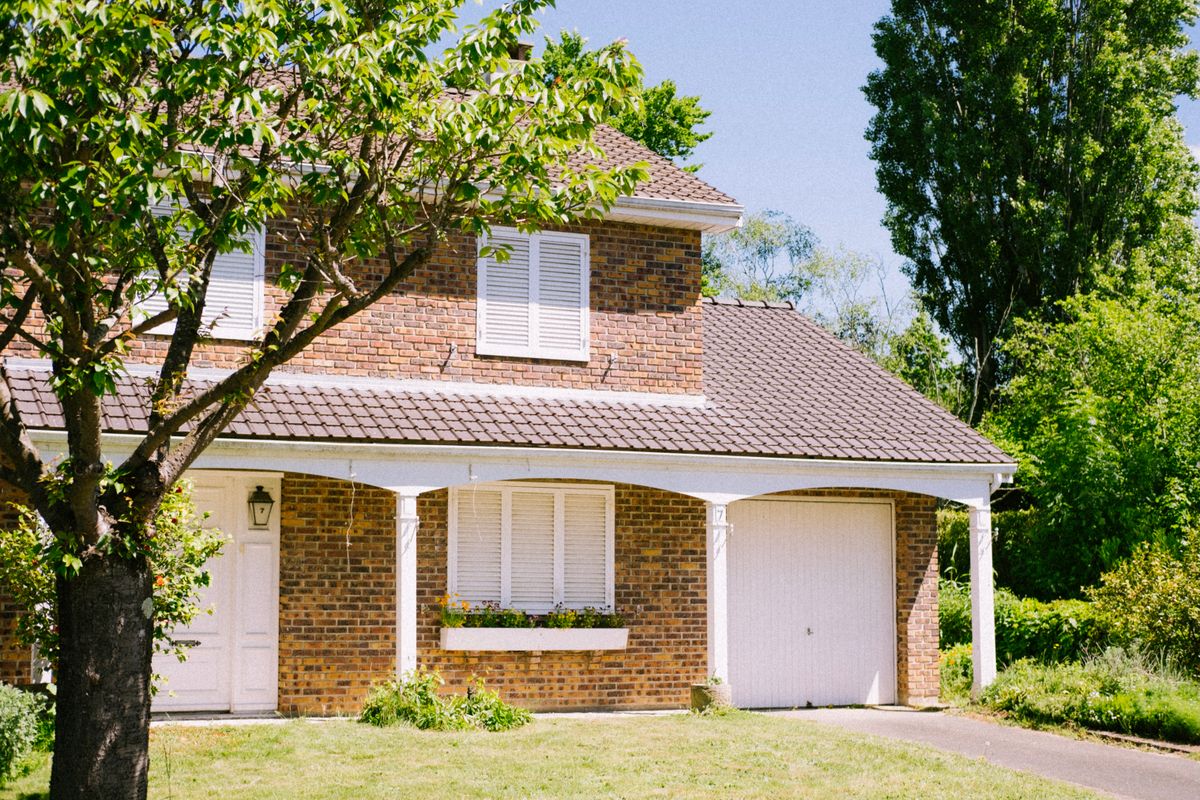
Stay Cool and Close Strong
Once your offer is accepted, the race is not over. Summer closings can be complicated by vacation schedules, lender backlogs, and tight moving company availability. Stay in close contact with your agent, lender, and inspector. Confirm every deadline in writing and build a small buffer into your schedule where possible.
If you are relocating from another area, coordinate your move carefully. Summer is peak season for moving companies, so book early and confirm your reservation twice. A delayed move can turn an exciting closing day into a logistical headache.
The summer market rewards buyers who are prepared, decisive, and disciplined. You do not need to be the highest bidder to win — you need to be the most credible one. Come in with pre-approved financing, a clear sense of value, and an offer structure that removes friction for the seller. That combination consistently outperforms emotional overbidding.
Buying a home in summer is intense, but it is also an opportunity. More inventory means more chances to find the right fit. More competition means the best homes sell to buyers who have done the work upfront. If you prepare your finances, define your priorities, and move with confidence, you can close on a home you love — and still have time to enjoy the rest of the season.
Sources & References
Sources & References
- Existing home sales statistics — National Association of Realtors
- Navigating challenging markets — National Association of Realtors
Ready to grow your real estate brand?
2,900+ ready-to-post real estate posts. Schedule to Instagram, Facebook, LinkedIn, Threads, TikTok, and Pinterest automatically.