How Smart Home Technology Increases Your Property Value in 2026
Discover which smart home upgrades deliver the biggest ROI in 2026 and how connected features are becoming a must-have for buyers, not just a nice-to-have.
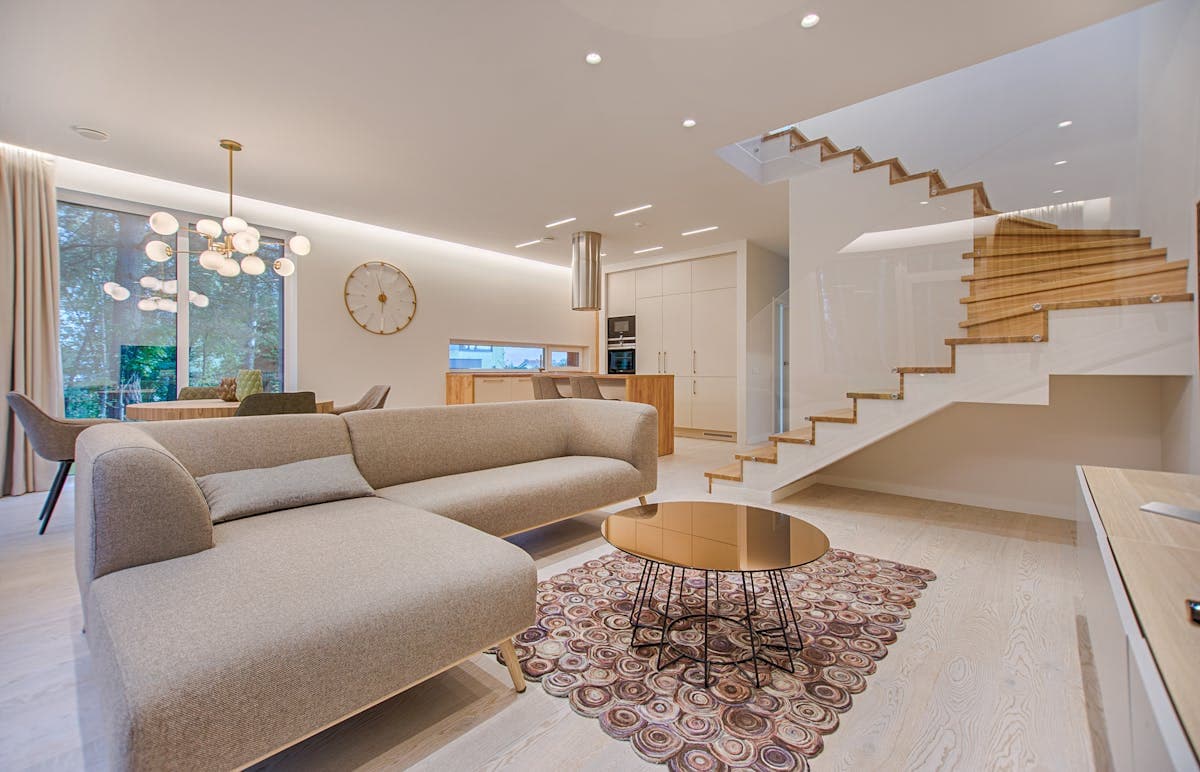
Smart home technology has moved firmly from the realm of early adopters into mainstream real estate. What once felt like a luxury convenience—automated lights, voice-controlled thermostats, and app-driven security cameras—is now a baseline expectation for a growing share of buyers. In 2026, homes equipped with thoughtful, well-integrated smart features are commanding higher prices, spending fewer days on market, and attracting stronger offers than comparable properties without them. The shift is not a passing trend. It reflects a deeper change in how buyers evaluate homes: they are increasingly looking for properties that are efficient, secure, and easy to manage from day one.
Why Smart Homes Sell Faster
Buyers in 2026 are more tech-savvy than any generation before them. Millennials and Gen Z now represent the largest share of first-time and move-up buyers, and they have grown up in a connected world. A home that requires manual thermostat adjustments, standalone smoke detectors, and a patchwork of incompatible gadgets feels outdated, not charming. Conversely, a property with a unified smart ecosystem feels modern, well-maintained, and future-proof.
Real estate agents report that smart home features rank consistently among the top five buyer priorities in initial showings. When two homes are priced similarly in the same neighborhood, the one with a smart doorbell, integrated lighting, and a programmable thermostat often wins the emotional contest. Buyers can imagine themselves living there more easily because the home already works the way they expect their living space to work. That emotional connection translates directly into faster decisions and stronger offers.
The Features That Actually Move the Needle
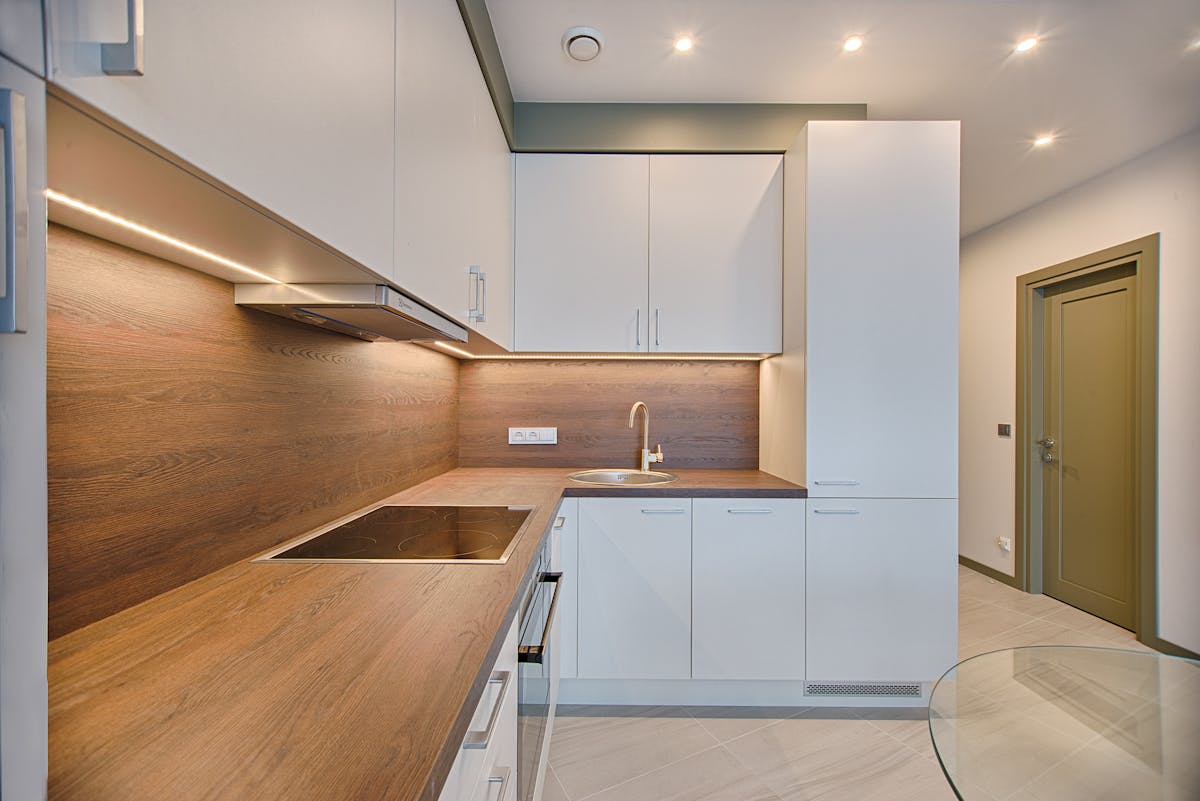
Not every smart gadget adds resale value. Buyers are savvy enough to distinguish between a $30 smart plug and a genuinely integrated system. The upgrades that consistently deliver measurable returns fall into three categories: security, climate control, and whole-home connectivity.
Smart security systems top the list for value-add potential. A professionally installed system with video doorbells, exterior cameras, motion sensors, and smart locks provides immediate peace of mind. In 2026, buyers are factoring in the cost of installing these systems themselves—often $1,500 to $3,000—and are willing to pay a premium for a home where the work is already done. More importantly, insurers increasingly offer discounts for homes with monitored smart security, creating an ongoing financial incentive that buyers notice.
Climate intelligence comes next. Smart thermostats like the Nest Learning Thermostat or Ecobee SmartThermostat have become so ubiquitous that buyers are surprised when a home does not have one. These devices reduce energy bills by learning occupancy patterns and adjusting heating and cooling accordingly. In markets with hot summers or cold winters, the promise of lower utility bills is a powerful selling point. Some sellers are going further and installing smart HVAC zoning systems, which allow different rooms to be heated or cooled independently. While more expensive upfront, these systems can add thousands in perceived value because they signal a home that is truly modern and efficient.
Whole-home connectivity is the third pillar. Buyers want to know that the smart doorbell talks to the smart lock, that the thermostat integrates with the lighting system, and that everything can be controlled from a single app or voice assistant. A fragmented collection of incompatible devices is less appealing than a cohesive ecosystem. Sellers who invest in a unified platform—whether Apple HomeKit, Google Home, Amazon Alexa, or a professionally installed Control4 or Savant system—create a smoother experience that buyers remember long after the showing ends.
Energy Efficiency and the Sustainability Angle
In 2026, the overlap between smart home technology and sustainable living is stronger than ever. Solar panels paired with smart battery storage, energy-monitoring plugs, and intelligent irrigation systems are all features that appeal to environmentally conscious buyers. But the sustainability angle also has a hard financial component. Homes with lower operating costs are more affordable to own over time, which increases their attractiveness in a market where interest rates and property taxes remain elevated.
Sellers should highlight smart features that reduce resource consumption. A smart irrigation system that adjusts watering based on weather forecasts saves water and lowers utility bills. Smart blinds that close automatically during peak heat hours reduce air conditioning loads. Even smart appliances—refrigerators, washers, dryers, and dishwashers with energy-monitoring capabilities—signal that the home is efficient and forward-thinking. When marketing a property, agents who quantify these savings—"This home's smart climate system saved the owner $480 on utilities last year"—create a compelling narrative that goes beyond aesthetics.

What Buyers Are Willing to Pay Extra For
The question every seller asks is: will I get my money back? The answer depends on the feature and how it is presented. A National Association of Realtors study from late 2025 found that buyers were willing to pay an average of 3% more for a home with a comprehensive smart system versus an otherwise identical property without one. On a $400,000 home, that translates to $12,000 in additional value.
Some features punch above their weight. Smart doorbells and exterior cameras, for example, cost relatively little to install but create outsized perceived value because they address a universal concern: safety. Smart garage door openers with remote access and automatic closure timers are similarly affordable but highly appreciated by busy professionals and families. On the higher end, whole-home audio systems and motorized shades add luxury appeal that justifies premium pricing in upscale markets.
The key is presentation. A drawer full of disconnected smart bulbs does not add value. A home where the seller has taken ten minutes to demonstrate the app, show how the evening lighting scene works, and explain the energy savings tells a completely different story. Buyers remember experiences, not specifications.
Pitfalls to Avoid When Adding Smart Tech
There is a wrong way to smart-enable a home for sale. The biggest mistake is installing proprietary or obsolete systems that lock the next owner into a single vendor or require expensive subscriptions. Buyers are wary of systems that depend on a defunct app, a discontinued hub, or a monthly fee they did not budget for. Stick to established platforms with broad compatibility and clear upgrade paths.
Another common error is overcomplicating the system. If a buyer needs a 45-minute tutorial to operate the lights, the technology becomes a liability, not a selling point. Keep configurations intuitive. Set up simple scenes—"Morning," "Evening," "Away"—that can be activated with a single tap or voice command. Label physical switches clearly so the home remains functional even if the buyer is not immediately comfortable with the app.
Finally, do not neglect the infrastructure. A home filled with smart devices will perform poorly on a weak Wi-Fi network. If you are marketing a tech-forward property, consider upgrading to a mesh network system and advertising the strong coverage as a feature. Buyers who work from home, stream 4K video, or run multiple connected devices will notice and appreciate reliable connectivity.
Seller tip: Before listing, create a simple one-page guide for buyers that lists every smart device in the home, the app required to control it, and any relevant login credentials. This small gesture eliminates friction and makes the technology feel like a turnkey benefit rather than a homework assignment.
The Bottom Line
Smart home technology is no longer a niche selling point for luxury properties. In 2026, it is a mainstream expectation that influences buyer behavior, offer strength, and time on market. The sellers who benefit most are not necessarily the ones who spend the most money. They are the ones who choose the right features, integrate them thoughtfully, and present them in a way that helps buyers imagine a simpler, more efficient life in the home.
Whether you are preparing to list your property in the next month or planning upgrades over the next year, prioritize smart features that deliver security, comfort, and energy efficiency. Focus on cohesive ecosystems rather than isolated gadgets. And remember that the best technology is the kind buyers do not have to think about—it just works, making the home feel effortless from the moment they walk through the door.
Sources & References
Sources & References
- Smart Homes — National Association of Realtors
- Highlights from the Profile of Home Buyers and Sellers — National Association of Realtors
Ready to grow your real estate brand?
2,900+ ready-to-post real estate posts. Schedule to Instagram, Facebook, LinkedIn, Threads, TikTok, and Pinterest automatically.