Renovation ROI in 2026: Which Home Upgrades Actually Pay Off?
Not all renovations are created equal. Discover which home improvement projects deliver the highest return on investment in 2026 — and which ones to skip.
Spring is here, and if you're a homeowner thinking about renovations — whether to sell soon or simply build equity — the question on everyone's mind is the same: which projects actually pay for themselves? The answer in 2026 might surprise you. Some of the flashiest upgrades barely move the needle at resale, while a few unglamorous improvements can return more than you spend.
We've dug into the latest data from the National Association of Realtors, Remodeling Magazine's Cost vs. Value Report, and real-world feedback from agents across the country to bring you a clear, honest guide to renovation ROI this year. Whether you're prepping a home to list or investing in a property you plan to keep, here's where your money works hardest.
The Big Picture: Why ROI Matters More Than Ever
With home prices stabilizing in many markets and buyers becoming more selective, the days of "renovate anything and watch your value soar" are behind us. Today's buyers are informed. They know what things cost. They can spot a cheap flip from a mile away, and they're not willing to overpay for surface-level upgrades that mask deeper issues.
That means your renovation dollars need to be strategic. The goal isn't to create the most expensive house on the block — it's to remove objections, increase desirability, and give buyers confidence that the home is well-maintained. Projects that accomplish those things reliably outperform those that are purely cosmetic or overly personalized.
Rule of Thumb: The best renovation ROI comes from projects that solve a problem or eliminate a concern for the next buyer — not from projects that express your personal taste.
Top Performers: Renovations That Pay Off in 2026
1. Garage Door Replacement
It sounds almost too simple, but replacing an old, dented, or dated garage door remains the single highest-ROI project year after year. According to the latest Cost vs. Value data, a new steel garage door recoups approximately 194% of its cost at resale. The reason is straightforward: the garage door is one of the largest visual elements of your home's facade. A fresh, modern door instantly upgrades curb appeal at a fraction of the cost of a full exterior renovation.
Average cost in 2026: around $4,400. Average value added: roughly $8,500. That's hard to beat.
2. Minor Kitchen Remodel

Notice the word minor. A full kitchen gut-and-rebuild can easily run $80,000 to $150,000, and you'll be lucky to recoup 50–60% of that investment. But a minor kitchen remodel — think refaced cabinets, new hardware, updated countertops, a modern backsplash, and replacing dated appliances — typically costs $25,000 to $35,000 and returns 85–96% of the investment.
The kitchen is still the heart of the home for most buyers. It doesn't need to be a showpiece; it just needs to feel clean, functional, and current. Swap out the laminate for quartz, add under-cabinet lighting, and install stainless steel appliances, and you've checked the box for most buyers without breaking the bank.
3. Manufactured Stone Veneer (Exterior)
Adding stone veneer to the lower third of your home's front facade is another curb-appeal powerhouse. This project typically costs $11,000–$12,000 and recoups around 153% at resale. It adds texture, perceived quality, and visual weight to an otherwise flat vinyl or stucco exterior. It's the kind of upgrade that makes a buyer slow down during a drive-by — and that's exactly what you want.
4. Entry Door Replacement (Steel)
A new steel entry door costs around $2,200 and returns roughly 188% of that investment. Like the garage door, this is a high-visibility, low-cost upgrade. A solid, fresh front door with modern hardware signals that the home has been cared for. Pair it with a new lockset and a fresh coat of paint on the trim, and you've created a welcoming first impression for under $3,000.
5. Bathroom Refresh
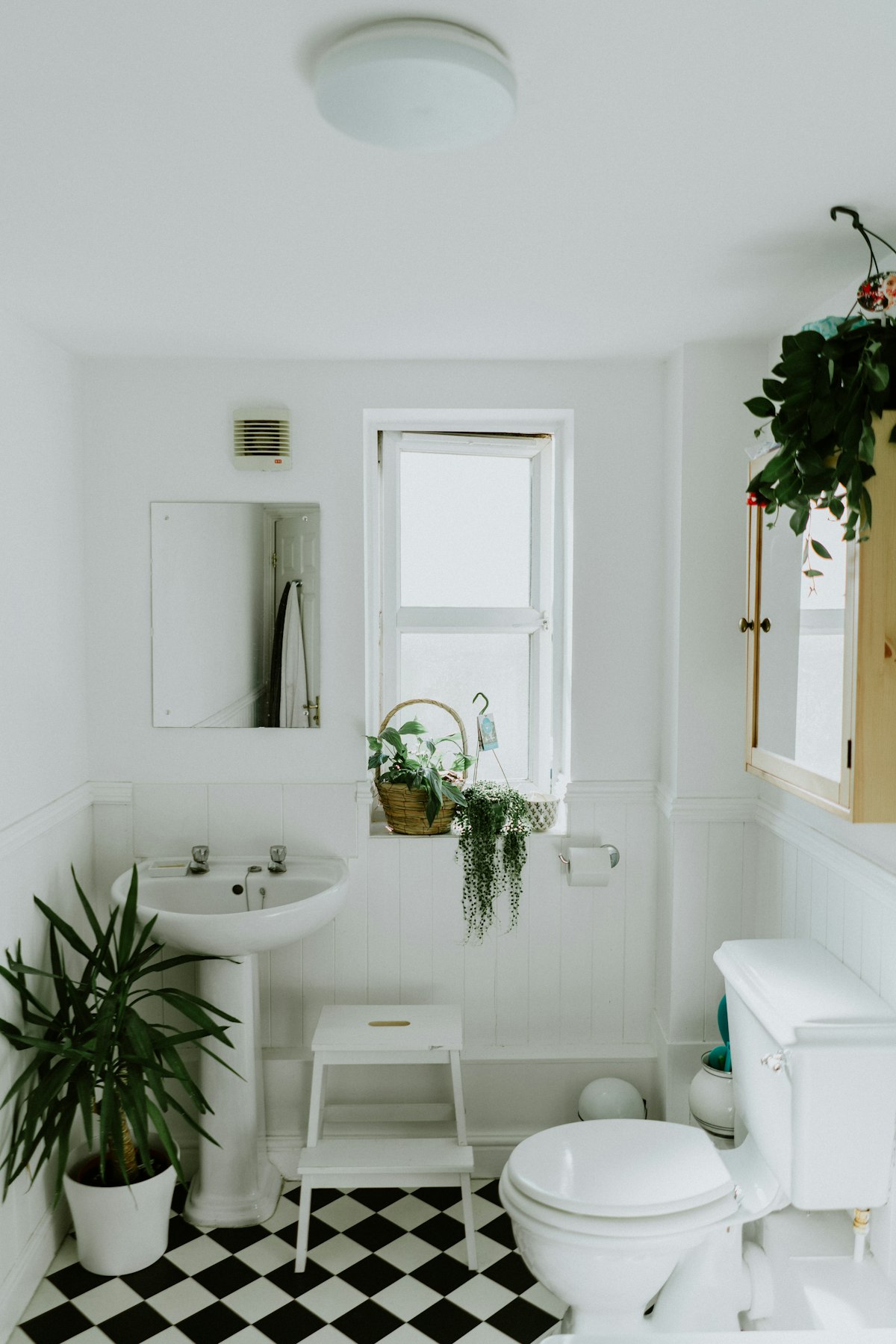
Full bathroom renovations with heated floors, frameless glass showers, and freestanding tubs look incredible — but they rarely pay for themselves. A mid-range bathroom remodel (new vanity, toilet, tile surround, updated lighting and fixtures) costs $25,000–$30,000 and returns about 74%. That's decent, and it removes a major objection point for buyers who won't touch a home with an outdated bathroom.
If you're budget-conscious, even smaller moves help: regrout the tile, replace the mirror, swap out brass fixtures for brushed nickel or matte black, and add a fresh shower curtain and towels for staging. Sometimes $500 in cosmetic updates can shift a buyer's entire perception of the space.
The Middle of the Pack: Decent but Not Stellar
Window replacement is the classic "necessary but unexciting" project. New vinyl windows cost $20,000–$24,000 for a full house and return about 67–73%. You won't get your money back dollar-for-dollar, but if your windows are visibly old, foggy, or failing, buyers will use that as a negotiation lever. Sometimes the ROI isn't in the price — it's in preventing a price reduction.
Deck addition or replacement performs similarly. A new wood deck returns around 65%, while composite decking returns about 60%. The payoff is in expanding usable living space and photographing beautifully for listings. In markets where outdoor space is prized, a well-built deck can be the difference between a showing and a scroll-past.
Siding replacement (fiber cement) runs about $19,000–$22,000 and recoups around 88%. It's a strong performer if your current siding is damaged, dated, or the wrong material for your market. Fiber cement is durable, low-maintenance, and gives the home a clean, finished look that buyers appreciate.
What to Avoid: Low-ROI Projects
Not every improvement is an investment. Here are the projects that consistently underperform:
Major kitchen overhauls. As mentioned, spending $100K+ on a dream kitchen in a $400K home is a recipe for lost money. Keep the renovation proportional to the home's value and the neighborhood's expectations.
Swimming pools. In most markets, a pool adds $20,000–$30,000 in value but costs $50,000–$80,000 to install. Many buyers see pools as a liability — maintenance costs, insurance increases, and safety concerns. Unless you're in a market where pools are expected (parts of Florida, Arizona, Southern California), think twice.
Over-personalized finishes. That bold red accent wall, the built-in aquarium, or the home theater with reclining chairs wired into the walls? They appeal to exactly one buyer: you. Neutral, flexible spaces sell. Personality can come from staging and decor, not from permanent fixtures.
Luxury bathroom additions. Adding a high-end master bath where one didn't exist can cost $100,000+ and return less than 30%. If the home needs another bathroom, add a clean, functional one. Save the rain shower and heated floors for your forever home.
The Smart Approach: Think Like a Buyer
Before you pick up a hammer or call a contractor, walk through your home with fresh eyes. Better yet, ask your real estate agent to walk through with you. They see dozens of homes a month and can tell you exactly which features make buyers hesitate and which make them smile.
Focus your budget on the things that create the strongest first impression: curb appeal, the kitchen, and the primary bathroom. After those three areas are handled, look at deferred maintenance — the roof, HVAC, water heater, and electrical panel. Buyers can forgive cosmetic quirks, but they won't forgive a home that feels like a ticking time bomb of repair bills.
Pro Tip: Before you spend $50,000 on renovations to sell, get a pre-listing inspection. You may discover that a $3,000 roof repair and a $1,500 HVAC service check remove the buyer's biggest concerns — and you can redirect the rest of your budget to high-impact cosmetic updates.
The Bottom Line
Renovation ROI in 2026 rewards restraint, strategy, and curb appeal. The most profitable projects are often the least glamorous: a new garage door, a steel entry door, stone veneer on the facade, and a sensible kitchen refresh. They work because they address what buyers actually care about — a home that looks good, feels solid, and won't surprise them with hidden problems.
If you're thinking about selling this spring or summer, start with the outside and work your way in. Spend proportionally to your home's value. And always ask: would a buyer pay more for this, or am I doing it just for me? That single question will save you thousands — and earn you thousands more at the closing table.
Sources & References
Sources & References
- Remodeling Impact Report — National Association of Realtors
Ready to grow your real estate brand?
2,900+ ready-to-post real estate posts. Schedule to Instagram, Facebook, LinkedIn, Threads, TikTok, and Pinterest automatically.