Real Estate Video Marketing: A Practical Guide for Agents
Learn how to create real estate video marketing that wins listings and leads — from listing walkthroughs and neighborhood tours to scripts, gear, and a 30-day plan agents can actually keep up.

Real estate video marketing is the practice of using short, honest, property- and community-focused videos to attract buyers, sellers, and referral partners. You do not need a production crew or a studio to start: the most useful real estate videos are short walkthroughs, neighborhood tours, and quick market or buyer-education clips filmed on the phone you already carry, published on a consistent schedule, and built around a simple script and one clear call to action.
Start with three or four repeatable video types, a basic gear setup under a few hundred dollars, and a weekly cadence you can sustain. Quality matters less than consistency and usefulness. The National Association of Realtors puts it bluntly in its social media guidance: "These days, video is everything." This guide shows you exactly how to turn that into a working system.
Why video is worth the effort for agents
Video is the fastest way to show three things that static photos and text struggle to convey: the flow of a home, the feel of a neighborhood, and the fact that a real, trustworthy person is on the other side of the transaction. Buyers increasingly expect to see a home before they book a showing, and sellers increasingly expect their agent to market properties with the same visual polish they see everywhere else online.
There is useful historical context in the National Association of Realtors' 2024 Technology Survey: 52 percent of respondents selected social media among the technology tools producing their highest number of quality leads in the preceding year. Among respondents, 87 percent used Facebook, 62 percent Instagram, 48 percent LinkedIn, and 25 percent YouTube for business. These are 2024 survey results, not current platform rankings or proof that video alone generates leads. They give you a reason to test useful video on the channels your own clients use.
HousingWire's video marketing best practices emphasize mobile-friendly viewing, narrated walkthroughs, and a clear call to action. Those are practical starting points: make the property easy to understand on a small screen and make the next step easy to find.
The five video types every agent should make
You do not need to invent new formats. The agents who stay consistent on video build a rotation from a short list of proven types. Each one has a specific job and a specific audience, which makes scripting and filming far easier than staring at a blank "what should I film today?" prompt.
1. Listing walkthroughs
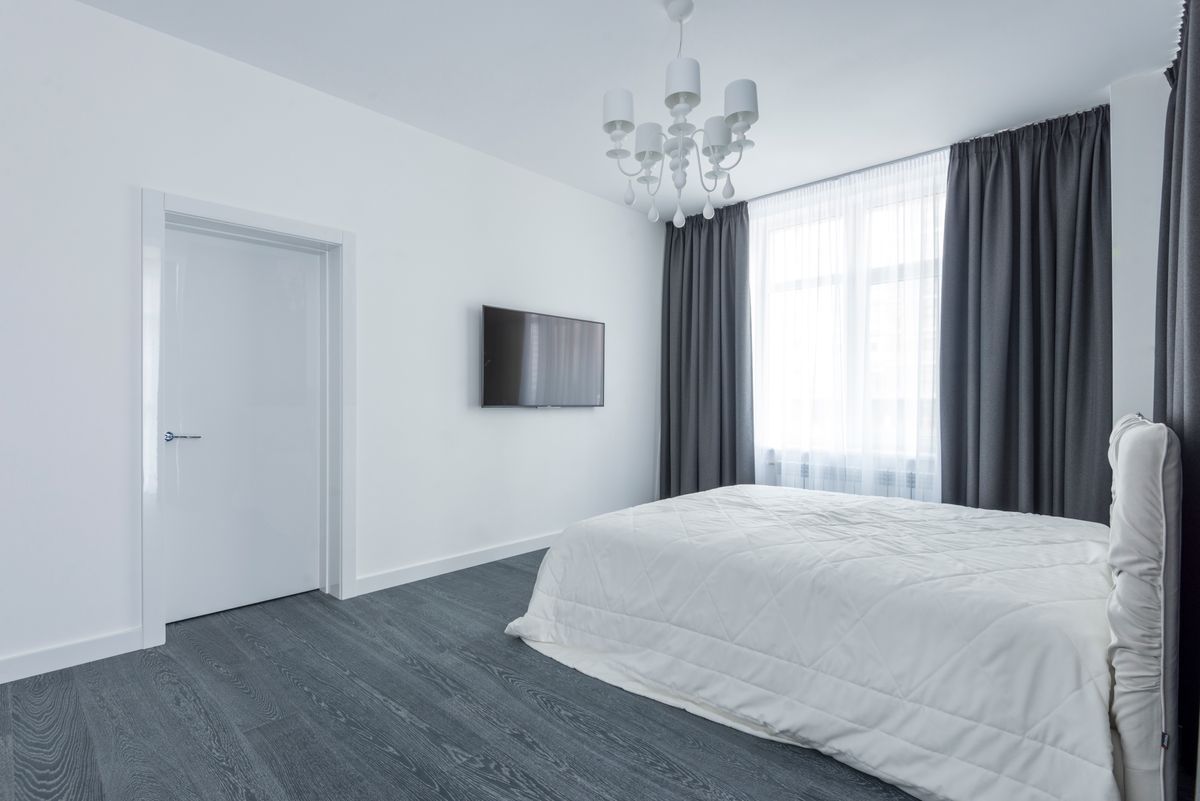
The walkthrough is your workhorse. It shows the actual home a buyer would visit: the entry, the main living spaces, the kitchen, the primary bedroom, and one or two details that make the property memorable. Start at the front door, move room to room, and end on the strongest feature — a view, a backyard, a renovated kitchen. Keep it between 60 and 90 seconds, and narrate rather than relying on music alone. A quiet voice explaining "this is where morning light hits the kitchen" is worth more than a montage of pretty shots with no context.
2. Neighborhood and community tours
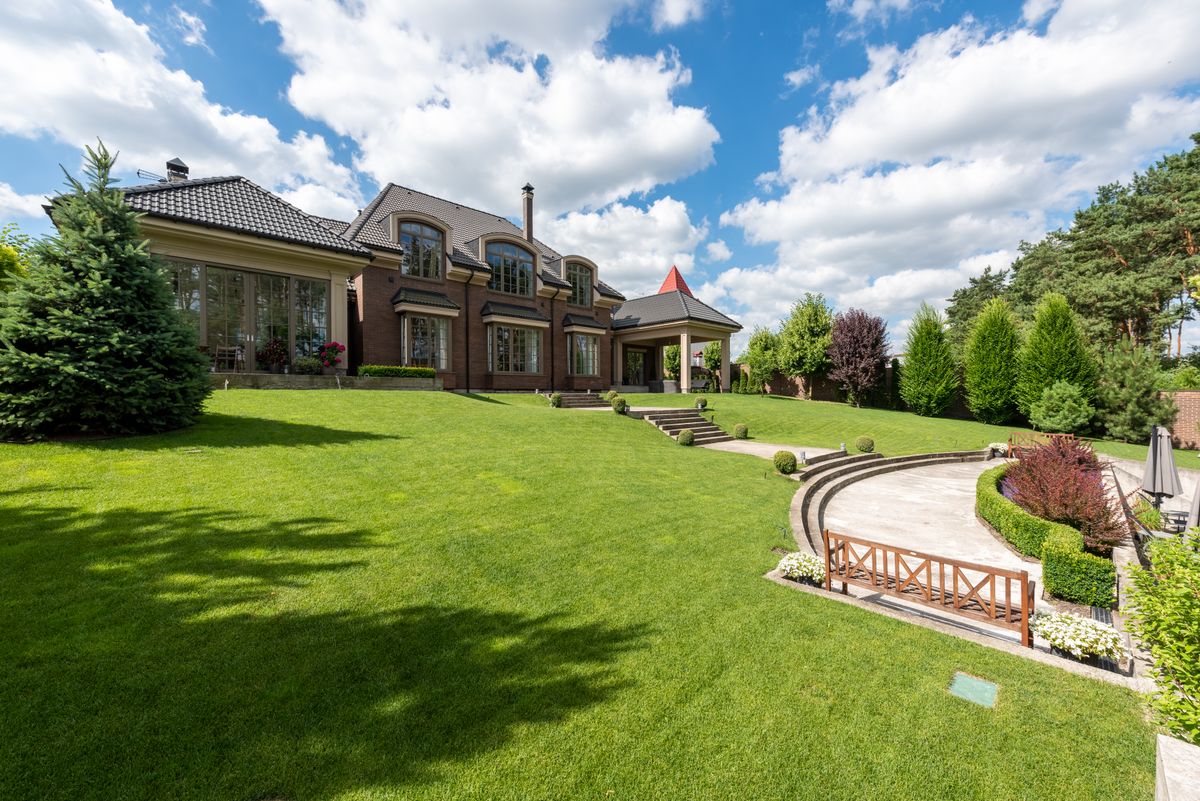
Buyers do not just buy a house; they buy a location. A 60-second walk or drive down a familiar street, a quick stop at the local park or coffee shop, or a seasonal look at the farmers market positions you as the agent who actually knows the area. Keep the focus on public, verifiable information — the trail, the library, the transit stop — and avoid commentary that could read as steering or demographic preference.
3. Market updates
A short monthly video that explains one local market signal — new listings, days on market, price changes — can demonstrate expertise without a sales pitch. The key is interpretation, not just numbers: explain what a change could mean for a buyer or seller, and name your source and date. This gives viewers something useful to save or discuss even when they are not ready to transact.
4. Buyer and seller education
Answer one common question per video: what to expect at a home inspection, how to prioritize repairs before listing, what to bring to a first showing. These clips come straight from the questions you already answer in consultations, which means you always have a pipeline of topics. Keep them under two minutes and end with an invitation to ask a follow-up.
5. Introductions, testimonials, and just-sold stories
People hire a person. A 30-second "who I am and how I work" video, a short client story told with permission, or a just-sold recap that explains how the process went all build trust in a way a listing sheet cannot. This type is the least time-sensitive, so it is ideal for batching a month of content in one afternoon.
What gear you actually need to start
You can start with a modern smartphone rather than buying a camera before you have a repeatable process. Familiar equipment makes it easier to focus on framing, sound, and the story. Add accessories to solve a problem you can actually see or hear in a test recording, not simply because another agent owns them.
- A stable phone or gimbal: use a tripod for stationary explanations and practice slow, steady movement for tours. A gimbal can reduce shake, but it does not replace careful walking and framing.
- A lapel microphone: phone microphones pick up room echo and wind. A wired or wireless lapel mic dramatically improves narration clarity, which is the heart of most real estate videos.
- Natural light first: open blinds and curtains, turn on interior lights, and film during daylight. If you add a small LED panel, use it only to fill shadows.
- A basic editing app: start with trimming clips, joining shots, and adding captions. Check automatic captions for errors so people can follow the video without sound.
Drones and 3D virtual tours may help explain larger properties, but neither is a requirement for day one. The 2024 Technology Survey reported drone use among 35 percent of respondents; that historical adoption figure does not establish whether a drone fits your next listing. Master a phone walkthrough first, and use a qualified operator who follows applicable flight and privacy requirements if you commission aerial footage.
The three-part video script that keeps you on track
Most agents avoid video because they do not know what to say. A repeatable script removes that fear. Every video you make can follow the same three-part structure: hook, value, action.
- Hook (first 3 seconds): state the one thing the viewer will get, or open with the single most compelling detail. "Three things to check before your home inspection" or "This kitchen gets morning light from two directions."
- Value (the middle): deliver the walkthrough, the explanation, or the answer, in the order you promised. Stay on one topic — a video that tries to do three things ends up doing none of them well.
- Action (last 5 seconds): tell the viewer exactly what to do next. "Message me for the full floor plan," "Save this for your showing checklist," or "Comment your question and I will answer it this week."
A 30-day video plan you can actually keep up
The plan that works is the one you can repeat next month. Here is a four-week rotation at two videos per week — light enough to sustain alongside showings and closings, varied enough to keep your feed from feeling repetitive.
| Week | Video 1 | Video 2 |
|---|---|---|
| 1 | Listing walkthrough | Neighborhood spot: local park or trail |
| 2 | Market update (one signal, explained) | Buyer education: what to bring to a showing |
| 3 | Listing walkthrough | Seller education: repairs worth doing before listing |
| 4 | Community spot: local business or event | Just-sold story or client testimonial |
Film in batches when you can. Two videos a week becomes manageable when you shoot two or three in a single outing — one listing walkthrough, one neighborhood clip, and one educational answer from the same afternoon. Then schedule them across the week so publishing does not depend on a free hour materializing.
How to repurpose one video across platforms
One video need not be posted once and abandoned. The same footage can become a short vertical clip, a longer narrated tour, and a still image with a caption — each tailored to where it lives. NAR's online marketing guidance highlights quality visuals, engaging content, and mobile optimization. Apply those principles by reviewing each version in the format your audience will actually see.
- Instagram Reels and TikTok: try a vertical 15–60-second cut with captions and a clear opening. Use only audio licensed for your intended commercial use.
- YouTube: the full narrated walkthrough or market update, with a keyword-rich title and description so it shows up in search.
- Facebook: the walkthrough plus community context — pair the home with the nearby park or school district.
- LinkedIn: frame the listing or sale as a market data point for referral partners and investors.
Keep the underlying footage consistent but change the opening line, the length, and the call to action for each platform. That single afternoon of filming can now feed a full week of publishing.
Common mistakes that sink real estate video
Most video failures are avoidable and share the same few causes. Watch for these before you hit publish.
- No hook: the first three seconds are spent on an intro card or a greeting instead of the one thing that matters. State the value immediately.
- No captions: viewers watching silently and people who rely on captions may miss your explanation. Add accurate captions and keep them clear of interface buttons.
- Rambling structure: an unclear sequence makes a tour harder to follow. Use the three-part script and cut repeated points.
- The wrong crop: plan vertical framing for short-form feeds and horizontal framing for a conventional full-length tour. YouTube Shorts also uses vertical video. Check the final crop instead of assuming one export fits every placement.
- No call to action: HousingWire's best-practices list is explicit — without a call to action, viewers keep scrolling. Tell them what to do next.
- Steering language: describe the property and the neighborhood factually. Avoid comments about who belongs there or which demographic a home suits — this is both a fair-housing issue and a reputational risk.
A final privacy and permission check
Before publication, get permission to film and market the property, follow your brokerage's advertising rules, and confirm any required brokerage or license disclosures. Remove private paperwork, family photographs, security codes, and identifying details from the shot. Obtain permission from recognizable participants, and do not film while driving. Describe rooms and amenities accurately; do not edit out defects or alter dimensions in a way that misleads viewers.
How to measure whether your video is working
Views are the weakest signal you can track, because they do not tell you whether the right people saw the video or whether anything happened after. Track the numbers that connect to business outcomes instead: saves, shares, comments with real questions, direct messages, and requests for the floor plan, the full tour, or a consultation. A video with 300 views and three meaningful messages outperforms one with 3,000 views and no action.
Review your results monthly and keep a simple note of which topic and which format produced the most useful conversations. Then double down on that type. The point of the rotation in this guide is to give you enough variety to discover what resonates — not to lock you into five formats forever.
Frequently asked questions
What equipment do I need to start real estate video marketing?
A current smartphone, a stable tripod or gimbal, and a lapel microphone cover most of the work. Add a basic editing app for trimming and captions. A drone and 3D tour camera are worth adding later for larger properties, but they are not a starting requirement.
How long should a real estate video be?
Aim for 60–90 seconds for most walkthroughs and social clips, and under two minutes for educational videos. If a listing genuinely needs more coverage, break it into shorter clips rather than posting one long tour. Long-form belongs on YouTube, not in the Reels or TikTok feed.
Do I have to appear on camera?
No. Narration over steady footage works just as well, and many agents start that way. What matters is that your voice and your local knowledge come through, not that your face fills the frame. Appearing on camera helps build personal trust over time, but it is not a requirement for useful video.
How often should I post video?
Start at one or two videos a week and hold that cadence for a full quarter before adding more. Consistency builds audience and confidence far more than an occasional burst of content. A two-video weekly rotation is sustainable alongside a full transaction schedule.
Is video worth the time if I already post photos?
Yes. Photos cannot show the flow of a home, the feel of a neighborhood, or the person behind the transaction the way motion and narration can. Video also performs differently on the platforms buyers spend the most time on, so it reaches people your photo posts do not.
Make video a habit, not a project
Real estate video marketing is not a campaign you run once and finish; it is a publishing habit you build into the business. Pick three of the five video types in this guide, assemble the basic gear, adopt the hook-value-action script, and commit to the two-video weekly rotation. The first videos will feel awkward — everyone's do. The agents who succeed are the ones who keep the cadence long enough for the awkwardness to fade and the conversations to start.
Video works best as part of a broader content calendar, alongside useful photos, community updates, and answers to client questions. Explore AgentPostKit for help organizing your real estate social media workflow. Check the current supported formats and connected platforms before scheduling a video; filming, editing, and reviewing the final clip remain your responsibility. Start with your next walkthrough and build from there.
Sources & References
- Social Media — National Association of Realtors
- Effective Online Marketing — National Association of Realtors
- 2024 Technology Survey — National Association of Realtors
- 13 Video Marketing Best Practices for Your Real Estate Business — HousingWire
Ready to grow your real estate brand?
2,900+ ready-to-post real estate posts. Schedule to Instagram, Facebook, LinkedIn, Threads, TikTok, and Pinterest automatically.