Real Estate Contingencies Explained: What Buyers and Sellers Need to Know
Understand the most common real estate contingencies — inspection, financing, appraisal, and sale — and how they protect or complicate your transaction.

When you make an offer on a house, you're not just naming a price. You're also attaching conditions — escape hatches that let you walk away from the deal if something goes wrong. These conditions are called contingencies, and they are among the most important clauses in any real estate contract. Whether you're buying your first home or selling a property you've owned for decades, understanding contingencies can mean the difference between a smooth closing and a deal that falls apart at the last minute.
What Is a Contingency?
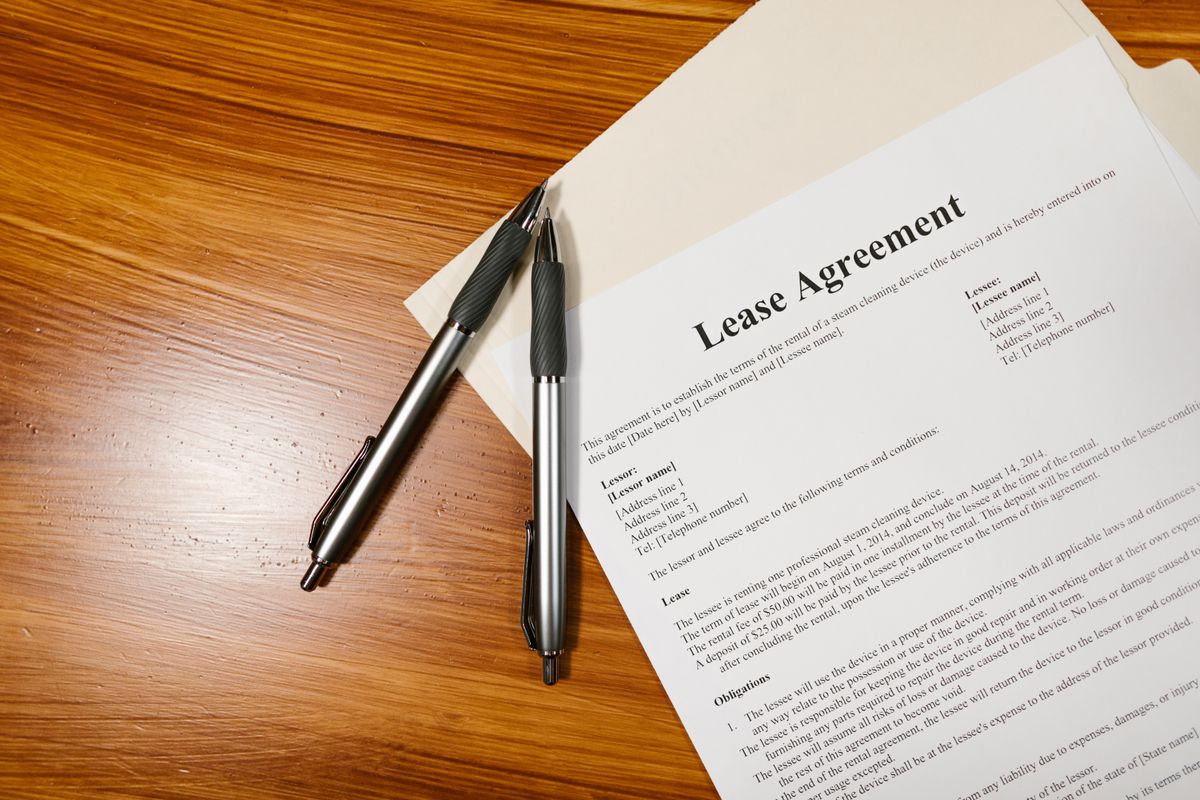
A contingency is a clause in a purchase agreement that makes the contract dependent on a specific event happening (or not happening). If the condition isn't met, the party protected by the contingency can back out of the deal without penalty — typically recovering their earnest money deposit. Think of a contingency as a safety valve: it keeps the transaction moving forward, but gives you a regulated way to exit if the situation changes.
Contingencies are negotiable. In a buyer's market, offers often come loaded with multiple contingencies. In a seller's market, sellers may push back and ask buyers to waive some of them to make their offer more attractive. The key is knowing which contingencies are worth keeping and which ones you can safely let go.
The Four Most Common Contingencies
1. Inspection Contingency
The inspection contingency is the most widely used protection in residential real estate. It gives the buyer the right to hire a professional home inspector to evaluate the property's condition. If the inspector uncovers major issues — a failing roof, foundation cracks, outdated wiring, or a damaged HVAC system — the buyer can request repairs, negotiate a price reduction, or walk away entirely.
Most inspection contingencies include a specific timeframe, often five to ten business days. During this window, the buyer must complete the inspection and respond with a decision. Staying silent past the deadline usually means accepting the property as-is, which is why prompt communication matters.
Tip: Even in competitive markets where waiving the inspection contingency can make your offer stand out, consider requesting a pre-inspection or an informational-only inspection. You forfeit the right to negotiate repairs, but you still get a professional assessment before committing.
2. Financing Contingency
The financing contingency protects the buyer if their mortgage loan falls through. If the lender denies the loan or offers terms the buyer can't accept, the contingency allows the buyer to cancel the contract and recover their earnest money. Without this clause, a buyer whose loan gets denied could lose their deposit and potentially face legal action from the seller.
This contingency typically includes a deadline for securing a commitment letter from the lender. Buyers should work closely with their loan officer to make sure the timeline is realistic. If you've already been fully underwritten and your loan is locked, you may have more flexibility to shorten or waive this contingency — but most buyers should keep it.
3. Appraisal Contingency
If you're financing your purchase, your lender will order an appraisal to confirm the home's value matches the purchase price. The appraisal contingency lets the buyer renegotiate or walk away if the appraisal comes in lower than the agreed-upon price.
Here's why this matters: if you agree to pay $400,000 for a home and the appraiser values it at $380,000, the lender will only finance based on the appraised value. You'd need to cover the $20,000 gap in cash, renegotiate the price with the seller, or invoke the contingency to exit the deal. In neighborhoods where prices are rising quickly, appraisal gaps are common and this contingency becomes especially important.

4. Sale of Current Home Contingency
This contingency is used when a buyer needs to sell their existing home before they can afford the new one. It gives the buyer a window of time — often 30 to 60 days — to find a buyer for their current property. If the current home doesn't sell within that period, the buyer can walk away from the new purchase without penalty.
Sellers are understandably cautious about this contingency because it introduces uncertainty. If another buyer comes along without a sale contingency, the seller may prefer that offer even if it's slightly lower. Some buyers bridge this gap by writing offers with a "kick-out" clause, which lets the seller continue marketing the home and accept a backup offer. If a backup offer arrives, the original buyer gets a short window (often 72 hours) to remove the contingency and proceed, or step aside.
Less Common but Worth Knowing
Title Contingency
A title contingency allows the buyer to review the title report and back out if there are liens, easements, or ownership disputes that can't be resolved. Title issues are rare but can be serious — they can cloud ownership for years if not addressed before closing.
HOA Document Contingency
If the property is part of a homeowners association, the buyer may include a contingency that lets them review the HOA's financial statements, bylaws, and rules. If the buyer finds restrictive covenants or financial problems within the association, they can exit the deal.
How Contingencies Affect Negotiation
Contingencies are leverage. Every contingency you include makes your offer less certain from the seller's perspective — and certainty has value. In a multiple-offer situation, a seller comparing two similar offers will often choose the one with fewer contingencies because it carries less risk of falling through.
That doesn't mean you should strip your offer bare. Waiving the inspection contingency on a 50-year-old house you've never set foot inside is a gamble that could cost you tens of thousands of dollars in unexpected repairs. The goal is balance: keep the contingencies that protect you from genuine financial risk, and waive or shorten the ones you're confident you don't need.
For example, if you've been pre-approved with a locked rate and the lender has verified your income and assets, you might shorten the financing contingency from 21 days to 10. If you've already toured the home twice and commissioned a pre-inspection, you might waive the inspection contingency but keep the appraisal contingency as protection against an overvalued list price.
Timing and Deadlines
Every contingency comes with a clock. Missing a deadline can convert a protective clause into a waiver. If your inspection contingency expires on Friday and you don't respond until Monday, you may have lost your right to negotiate repairs or walk away. Most contracts specify that weekends and holidays are excluded, but some don't — read the fine print.
Work with your agent to build a calendar of contingency deadlines the moment your offer is accepted. Share it with your lender, inspector, and attorney if your state requires one. The most common reason contingency disputes arise is not disagreement over terms — it's missed deadlines.
Working With Your Agent
A skilled real estate agent does more than open doors and submit offers. They help you assess which contingencies make sense for your situation, negotiate timelines that give you enough breathing room, and make sure you hit every deadline along the way. If you're selling, your agent should help you evaluate the strength of each offer's contingencies and advise you on whether to accept, counter, or reject.
Contingencies aren't a sign of a shaky deal — they're a sign of a careful one. The best transactions aren't the ones with the fewest conditions; they're the ones where both parties understand exactly what they're agreeing to and what happens if circumstances change. Ask questions, read every clause, and don't let pressure from either side push you into waiving protections you genuinely need.
Sources & References
Sources & References
- Real estate field guides and references — National Association of Realtors
- Understanding purchase agreements and contingencies — Consumer Financial Protection Bureau
Ready to grow your real estate brand?
2,900+ ready-to-post real estate posts. Schedule to Instagram, Facebook, LinkedIn, Threads, TikTok, and Pinterest automatically.