The Ultimate Neighborhood Evaluation Checklist for Home Buyers
Discover 15 essential factors home buyers must evaluate before purchasing — from schools and crime rates to walkability and future development plans.
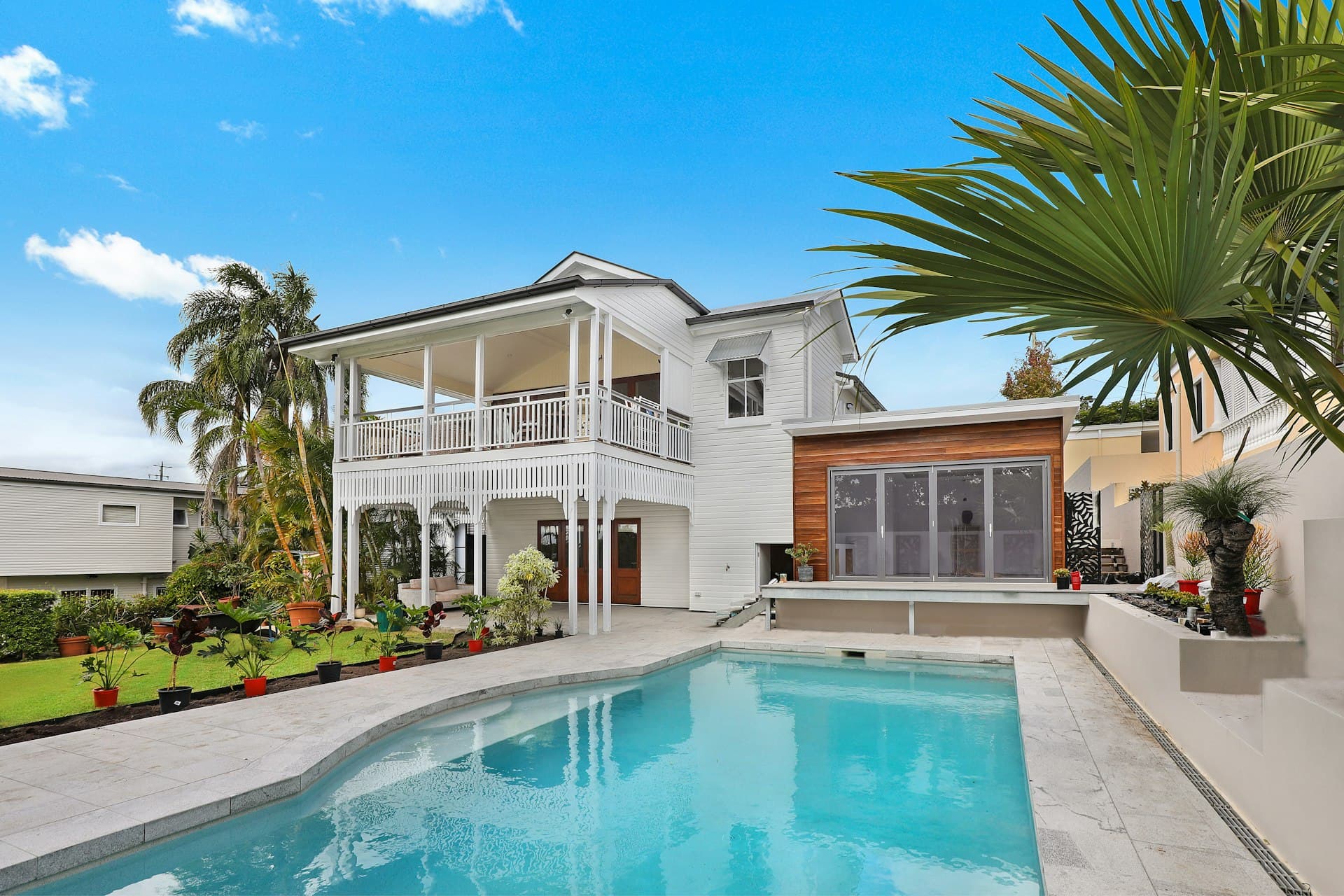
Buying a home is arguably the most significant financial decision you will ever make. But while most home buyers obsess over square footage, kitchen upgrades, and whether the master bath has dual vanities, there is one factor that matters more than all of them combined — the neighborhood itself. The property might have good bones, but if the surrounding area isn't right for your lifestyle, no amount of staging or renovation will make you feel at home.
The truth is simple: people move for houses but they stay for neighborhoods. A great community can boost your quality of life, increase your property value over time, and create the kind of social fabric that makes life genuinely easier every single day.

To help you make a confident decision, here is your comprehensive neighborhood evaluation checklist that covers every critical factor worth considering before you sign on the dotted line.
School District Quality — Even If You Do Not Have Children
The reputation and performance of local schools are among the strongest predictors of property value resilience. Homes in top-rated districts consistently appreciate faster than comparable properties outside those boundaries even for buyers without school-aged children. When reselling, your pool of potential buyers expands dramatically because families represent the largest single segment of home buyers.
Research school ratings through platforms like GreatSchools or Niche, but also visit the schools during operating hours when you can see how the facilities look and feel. Talk to parents in the area at local parks or community events — their lived experience will tell you far more than any test score average ever could.
Crime Rates and Safety Perception
Safety should never be an afterthought. Check crime statistics through your local police department website and third party platforms like CrimeRate.com to understand both violent and property crime trends over the past five years. Look for patterns, not just single incidents, because one-year spikes can distort whether a genuinely safe area looks dangerous.
Equally important is the subjective feel of safety that you get from simply experiencing the neighborhood at different times of day. Walk or drive through during evening hours when you would normally be coming home from work. Are streetlights functional? Do properties look maintained with fenced yards and trimmed lawns, or do they show signs of neglect that might signal declining community investment?
Pro Tip: Spend at least three visits to a neighborhood before committing — one during the weekday morning rush, one on a Saturday afternoon, and one in the evening. Each visit will reveal a completely different character.
Walkability and Local Amenities
Evaluate how walkable the neighborhood is using Walk Score or similar tools that rate proximity to grocery stores, restaurants, parks, coffee shops, pharmacies, and other daily essentials. A highly walkable neighborhood reduces your dependence on vehicles, saves money on fuel and maintenance, and offers an entirely different quality of life.
Think about your actual routines rather than idealized scenarios. Do you bike to work? Is there a safe path connecting your prospective home to the office? Do you need a gym nearby or would you happily run through leafy residential streets every morning? These practical questions matter more than finding the most Instagrammable street in town.
Future Development and Zoning Plans
What gets built next door can dramatically alter your property value and quality of life. Check with the local planning department about any approved or proposed development projects — a new park nearby is wonderful news, but a planned six story mixed use commercial complex right across the street may not be.
Research whether large lots in the area are being subdivided, which typically means larger homes coming online and potentially increasing property taxes. Conversely, look for signs of neighborhood revitalization — renovated properties, new small businesses opening on the main strip, community associations investing in public spaces.
Noise and Environmental Factors
Not every neighborhood is quiet regardless of how charming it looks during a mid afternoon tour. Proximity to busy roads, railways, airports, industrial areas, or even lively nightlife districts creates ongoing noise pollution that you only notice after you have already signed the paperwork and moved in.
Additionally check environmental risk factors like flood zone maps from FEMA, wildfire risk assessments if relevant to your region, soil contamination history for brownfield sites, and basic air quality data available through local environmental agencies.

Commute and Transportation Options
Test your actual commute during rush hour conditions rather than relying on an average Google Maps estimate. Drive the route yourself at 7:30 AM and again at 5:30 PM to understand congestion patterns, road construction projects, and whether there are alternate routes worth knowing about.
If you rely on public transit, verify the frequency of bus or train service during off peak hours when your schedule will not align with standard commuter windows. Some neighborhoods have excellent transit only during peak periods leaving residents stranded at mid morning and late evening times.
Neighborhood Demographics and Social Vibe
Consider whether the demographics of the neighborhood align with where you are in life stages — young professionals, young families with children, retirees looking for quieter surroundings. This is not about judging who belongs but finding an area whose rhythm matches yours.
Visit local community spaces — farmers markets, neighborhood association meetings, community gardens. The people you encounter there and the energy in those spaces will tell you whether this feels like a place where you would genuinely belong six months from now after the excitement of house hunting has faded to routine.
Flood Zones and Insurance Implications
Living in or near flood zones carries substantial financial implications beyond property damage risk. Flood insurance is typically not included in standard homeowner policies, and premiums can add hundreds or even thousands of dollars annually depending on your specific zone classification. Check FEMA flood maps and recent local flooding history before waiving environmental contingencies.
Parks and Recreational Spaces
Access to green space is consistently linked with better physical health outcomes, lower stress levels, and higher property values nearby. Research the number of parks within a mile radius, whether there are playgrounds, walking trails, dog parks, tennis courts, or community gardens that match your interests.
Pay attention to how well maintained those parks actually are rather than simply their existence on a map — empty playgrounds with broken equipment tell you something important about municipal investment and neighborhood civic engagement.
Social Media and Online Reputation
In 2026 most neighborhoods have digital footprints worth checking. Browse local Facebook groups, Nextdoor threads, and even Reddit community pages to understand common complaints and celebrations. Are residents complaining about garbage collection consistency? Is the neighborhood group organizing a summer block party?
Also search your prospective address on real estate listing sites to see if that specific property has changed hands multiple times quickly (which might signal problems) or sold at prices trending upward indicating strong demand for that exact location.
The Bottom Line
The best time to evaluate a neighborhood is not during an open house when every property looks polished and the real estate agent controls the narrative, but rather through multiple independent visits conducted at different hours on your own schedule. No single factor guarantees success — the perfect neighborhood for one buyer might be completely wrong for another.
Your goal is not finding a flawless community because those do not exist anywhere. You are looking for the intersection where the practical factors you cannot compromise on — safety, commute, basic amenities — meet with the lifestyle elements that make daily life enjoyable from the moment you step outside your front door.
Remember: A home is the building and the land. But a house becomes a home because of the people, streets, schools, and stores that surround it every single day. Take the time to fall in love with the neighborhood first and then the purchase decision writes itself.
Feeling overwhelmed by all these moving parts? AgentPostKit makes your life easier — whether you are helping clients navigate this exact checklist or creating marketing content to attract those same buyers, our platform handles the heavy lifting of social media management so you can focus on what really matters — closing deals.
Sources & References
Sources & References
- Buying a home — U.S. Department of Housing and Urban Development
- Homebuying resources overview — Consumer Financial Protection Bureau
Ready to grow your real estate brand?
2,900+ ready-to-post real estate posts. Schedule to Instagram, Facebook, LinkedIn, Threads, TikTok, and Pinterest automatically.