Home Staging Secrets: 15 Proven Tips to Sell Your Home Faster in 2026
Learn the home staging strategies top agents use to sell homes faster and for more money. These 15 practical tips work in any market — from decluttering to lighting tricks.
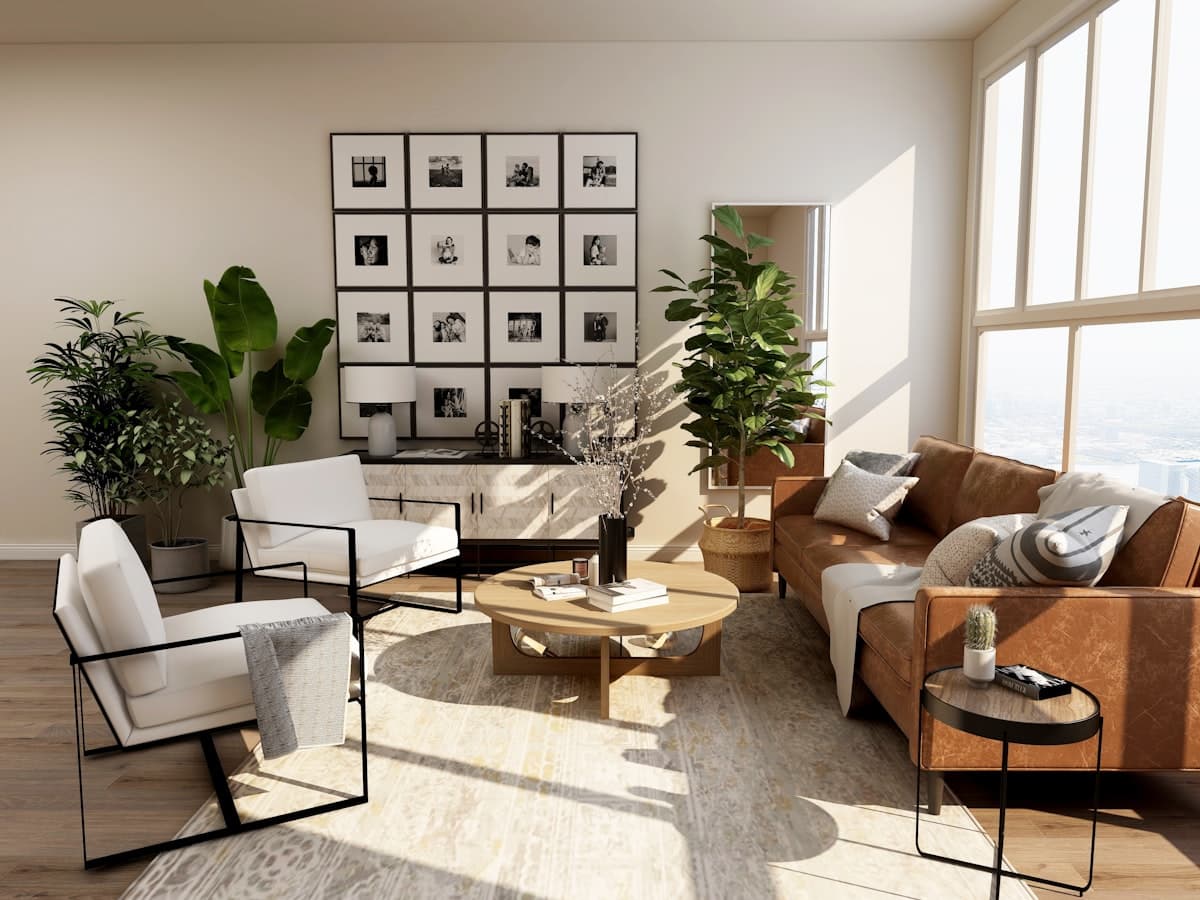
Here's a stat that should get every seller's attention: staged homes sell an average of 73% faster than unstaged ones, according to the Real Estate Staging Association. And in 2026's market — where buyers are pickier than ever and mortgage rates still hover above historical lows — staging isn't a luxury. It's a strategy.
But home staging doesn't mean spending $10,000 on rented furniture or hiring a professional design team (though that's always an option). Many of the most effective staging techniques cost little to nothing and can be done in a single weekend. Whether you're a homeowner preparing to list or a real estate agent advising clients, these 15 tips will help any property show its absolute best.
Why Home Staging Works
Before we dive into the how, let's understand the why. Staging works because home buying is an emotional decision wrapped in a financial one. When a buyer walks through a property, they're not evaluating square footage and lot lines — they're imagining their life in that space. A staged home removes friction from that imagination. It whispers, "You could live here. You could be happy here."
The National Association of Realtors reports that 81% of buyers' agents say staging makes it easier for buyers to visualize a property as their future home. That visualization leads to faster decisions and stronger offers. In competitive markets, it can be the difference between a bidding war and a price reduction.
Start with the Big Three: Declutter, Depersonalize, Deep Clean
Tip 1: Declutter ruthlessly. This is the single highest-impact staging move you can make, and it costs nothing but time and honesty. Every room should feel spacious and intentional. If you haven't used something in six months, box it up. Clear kitchen counters down to one or two decorative items. Empty out at least half of every closet — yes, buyers will look inside. A decluttered home photographs better, shows better, and appraises better.
Tip 2: Depersonalize the space. Family photos, children's artwork on the fridge, that collection of vintage beer steins — they all need to go into storage. This isn't about erasing your personality; it's about creating a blank canvas. Buyers need to see themselves in the home, and that's hard to do when someone else's life is on full display.
Tip 3: Deep clean like you've never cleaned before. We're talking baseboards, grout lines, behind appliances, inside the oven, window tracks — everything. If cleaning isn't your strength, hire a professional service for a one-time deep clean. A spotless home signals that the property has been well cared for. A dirty home raises doubts about what else might be neglected.
Lighting: The Secret Weapon
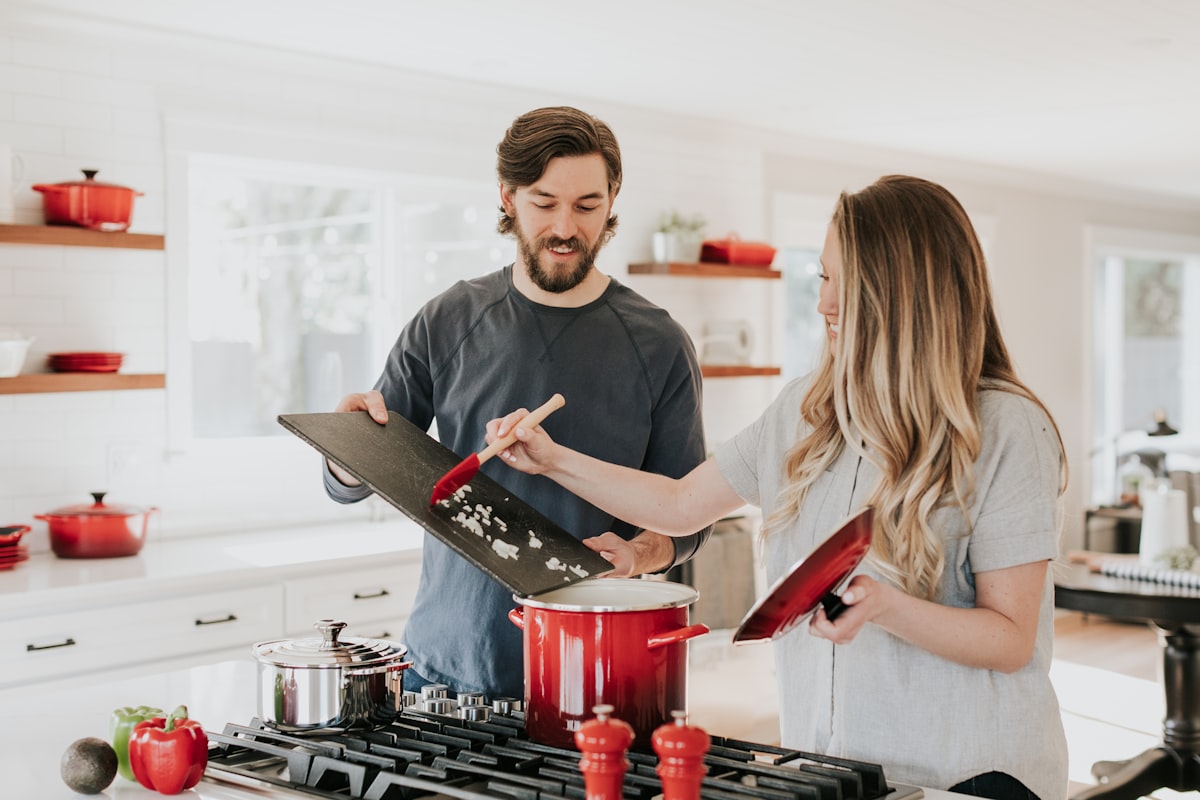
Tip 4: Maximize natural light. Open every blind, pull back every curtain, and wash every window before showings and photos. Natural light makes rooms feel larger, warmer, and more inviting. If you have heavy drapes, consider replacing them with sheer white panels that let light flood in while still providing a polished look.
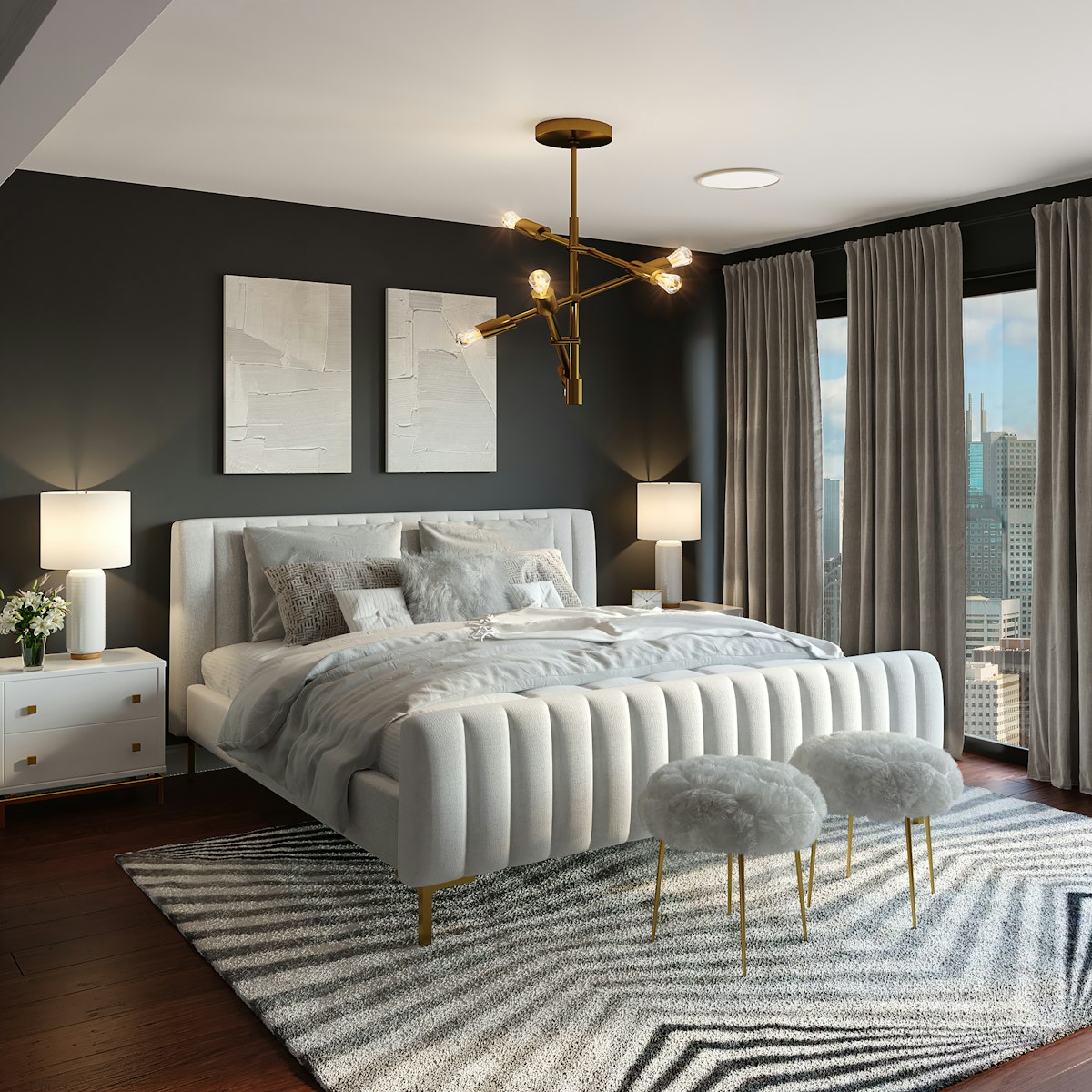
Tip 5: Layer your artificial lighting. Don't rely on a single overhead fixture per room. Add table lamps, floor lamps, and under-cabinet lighting to create depth and warmth. Replace any burned-out bulbs and swap harsh cool-white bulbs for soft warm-white ones (2700K–3000K). The goal is to make every room feel like a magazine spread, not an office building.
Tip 6: Use mirrors strategically. A large mirror on a wall opposite a window effectively doubles the natural light in a room and creates an illusion of more space. This trick works especially well in smaller rooms, narrow hallways, and dim dining areas.
Furniture Arrangement and Flow
Tip 7: Create conversation areas. Float your sofa away from the wall and arrange seating to face each other. This creates an inviting, purposeful feel. In large open-concept spaces, use furniture groupings to define zones — a living area, a reading nook, a dining space — so buyers understand how the floor plan works in real life.
Tip 8: Right-size your furniture. Oversized sectionals that made sense for family movie nights can make a living room feel cramped during showings. If a piece overwhelms a room, move it to storage and bring in something smaller. Conversely, if a room feels empty and echoey, adding a few well-chosen pieces gives it purpose and warmth.
Tip 9: Clear the traffic paths. Buyers should be able to walk through every room without navigating an obstacle course. Make sure doorways, hallways, and paths between furniture are wide and obvious. Good flow makes a home feel effortless; poor flow makes it feel cramped, even in large homes.
The Details That Close Deals
Tip 10: Refresh your paint. A fresh coat of paint in a warm neutral tone — think greige, soft white, or warm linen — is one of the highest-ROI improvements you can make. It costs a few hundred dollars and immediately makes the whole house feel newer and cleaner. Avoid bold or trendy colors; you want the broadest possible appeal.
Tip 11: Upgrade your hardware. Swap out dated brass doorknobs, cabinet pulls, and light switch plates for modern brushed nickel or matte black hardware. It's a $100–$200 investment that makes the entire house feel updated. This is one of those tiny details buyers notice subconsciously — everything just feels more polished.
Tip 12: Style your shelves and surfaces. Open shelves, mantels, and coffee tables should be styled with intentional groupings: a stack of books, a small plant, a decorative object. Odd numbers work best (groups of three or five). The goal is curated, not cluttered — think boutique hotel, not yard sale.
Tip 13: Add greenery. A few well-placed plants instantly make a home feel alive and inviting. You don't need a green thumb — high-quality faux plants and fresh-cut branches in simple vases work just as well. Place them in the living room, kitchen, and bathrooms for the biggest impact.
Pro Tip: Fresh flowers on the kitchen counter or dining table during open houses create an emotional impression that lingers long after the buyer leaves. A $15 grocery store bouquet can influence a six-figure decision.
Don't Forget the Exterior
Tip 14: Boost your curb appeal. Buyers form an opinion within seven seconds of seeing a property. Mow the lawn, edge the walkways, trim the hedges, and clean the front door. Add a new doormat, a potted plant or two flanking the entrance, and make sure the house numbers are visible and modern. If the front door paint is peeling, repaint it in a color that pops — navy blue, charcoal, or classic red.
Tip 15: Stage the outdoor living spaces. In 2026, outdoor living is one of the top features buyers are searching for. If you have a patio, deck, or even a small balcony, stage it with clean outdoor furniture, a few throw pillows, and maybe a string of café lights. Show buyers that the usable space extends beyond the walls. Even a modest backyard can feel like an oasis with the right setup.
What About Professional Staging?
If your budget allows, professional staging can be an excellent investment — especially for vacant properties or higher-priced listings. Professional stagers typically charge between $1,500 and $5,000 for a full staging, depending on the home's size and your market. For luxury listings, that number can climb higher.
But here's the thing: studies consistently show that the return far exceeds the cost. The International Association of Home Staging Professionals found that staged homes sell for 5–23% more than comparable unstaged homes. On a $400,000 property, even the low end of that range — 5% — represents $20,000 in additional value. That's a serious return on a relatively modest investment.
For sellers who can't afford full professional staging, many agents now offer virtual staging for listing photos, which typically costs $25–$75 per room. It's not a substitute for in-person staging, but it can dramatically improve your online listing — and since over 95% of buyers start their search online, those listing photos are your first impression.
The Bottom Line
Home staging isn't about making your home look like it belongs in a magazine (although that's a nice bonus). It's about removing barriers to a buyer's imagination and presenting your property in its best possible light — literally and figuratively. In a market where every advantage counts, staging is one of the smartest, most cost-effective tools in a seller's arsenal.
Start with the free stuff — decluttering, cleaning, rearranging furniture. Then invest strategically in paint, lighting, and hardware. If the budget allows, bring in a pro. Whatever level of effort you put in, the data is clear: staged homes sell faster, for more money, with less stress. And in 2026, that's a win everyone can get behind.
Sources & References
Sources & References
- Profile of Home Staging — National Association of Realtors
- Staging — National Association of Realtors
Ready to grow your real estate brand?
2,900+ ready-to-post real estate posts. Schedule to Instagram, Facebook, LinkedIn, Threads, TikTok, and Pinterest automatically.