Downsizing Your Home in 2026: A Practical Guide to Living Smarter, Not Smaller
Thinking about downsizing? This step-by-step guide covers when to downsize, how to declutter, what to look for in a smaller home, and how to maximize your equity.
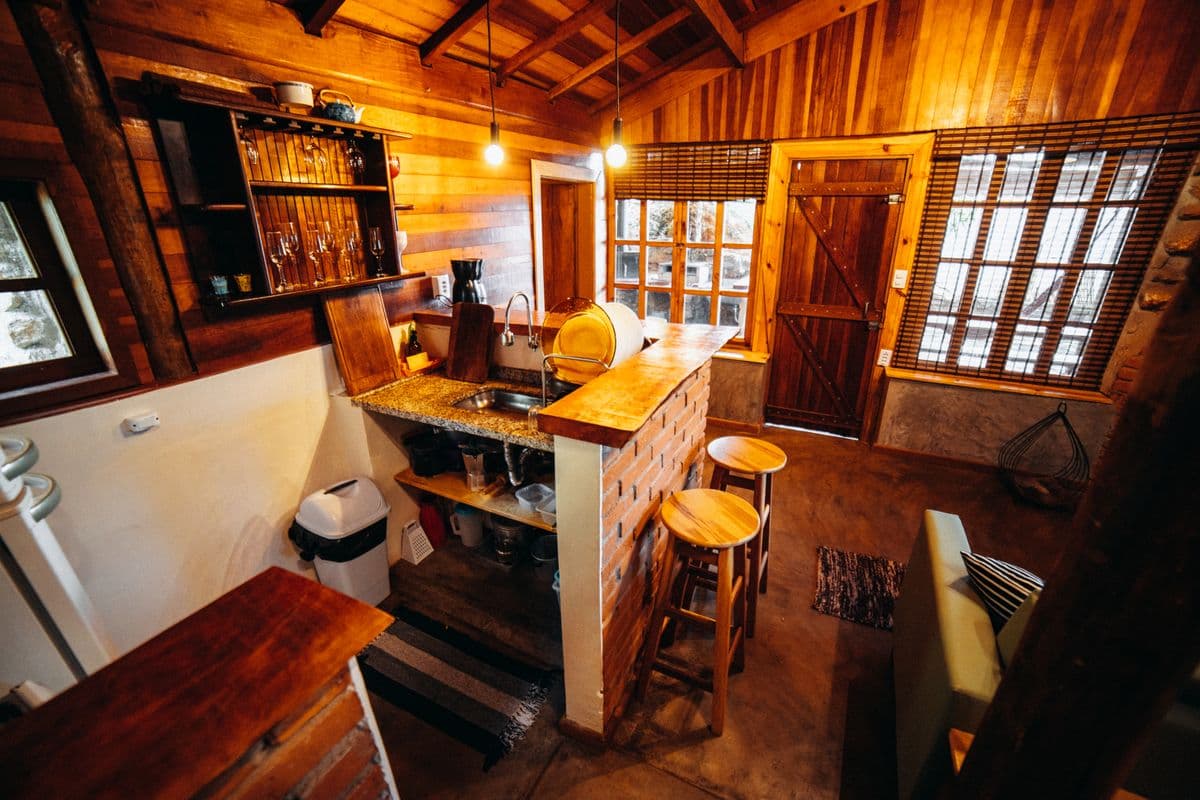
If you are rattling around in a house that once felt full and now feels empty, you are not alone. Across the country, empty nesters, retirees, and families who simply want less upkeep are embracing downsizing as a strategic lifestyle and financial move. But downsizing is not just about buying a smaller house. It is about trading square footage for freedom, lower costs, and a home that fits the life you actually live today.
Is 2026 the Right Time to Downsize?
The housing market in 2026 presents a nuanced picture for downsizers. Home values have stabilized in many regions after the volatility of the early decade, meaning you may not see the explosive price growth of prior years, but you also are unlikely to face a dramatic downturn. Mortgage rates have eased from their 2023 peaks but remain higher than the historic lows of the pandemic era. For downsizers, this creates an interesting opportunity: you can sell a larger home that has appreciated significantly, bank the equity, and purchase a smaller property with a smaller mortgage or none at all.
The math is straightforward. If your current home is worth $550,000 and you owe $120,000 on the mortgage, you walk away with roughly $430,000 before closing costs and fees. A smaller home or condo at $300,000 leaves you with a comfortable cushion. That equity difference can fund retirement travel, pad your investment portfolio, or eliminate monthly mortgage stress entirely.
Signs It Is Time to Downsize
Downsizing is deeply personal, but certain signals are hard to ignore:
You use less than half your home regularly. If bedrooms sit empty, a formal dining room collects dust, and your basement is storage for items you forgot you owned, you are maintaining space you do not use.
Maintenance is becoming a burden. Yard work, roof repairs, gutter cleaning, and HVAC servicing scale with square footage. If weekends are consumed by chores rather than enjoyment, a smaller home or a condo with maintenance included can reclaim your time.
Your housing costs strain your budget. Property taxes, insurance, utilities, and upkeep on a large home can eat 30 to 40 percent of a retiree's monthly income. Cutting those costs by downsizing can be the single most effective way to stretch retirement savings.
Your mobility or health needs are changing. Stairs, expansive yards, and hard-to-reach maintenance areas become hazards as we age. A single-story home or an accessible condo can be a proactive health decision, not just a lifestyle one.
The Downsizing Timeline: Start Early
The biggest mistake downsizers make is waiting too long. Ideally, begin the process 6 to 12 months before you want to move. Here is a realistic timeline:
Months 1-3: Declutter and prepare. This is the hardest part. Sort through decades of belongings. Divide items into categories: keep, gift to family, sell, donate, and discard. Be honest with yourself. If you have not used something in two years, it probably does not make the move.
Months 3-5: List and sell your current home. Work with a real estate agent who understands the downsizing market. They can help stage your home to appeal to younger buyers who may be upsizing, while you focus on finding your next property.
Months 5-8: Find and close on your new home. Take your time. Do not rush into a purchase out of desperation. Rent temporarily if needed. The goal is a home that fits your next chapter, not a panic buy.
Months 8-12: Settle in and adjust. Unpack intentionally. Resist the urge to fill your new space with new clutter. Give yourself grace. Adjusting to less space takes time, but most downsizers report feeling relief within weeks.
What to Look for in a Smaller Home
Downsizing does not mean settling. The right smaller home should improve your quality of life. Prioritize these features:
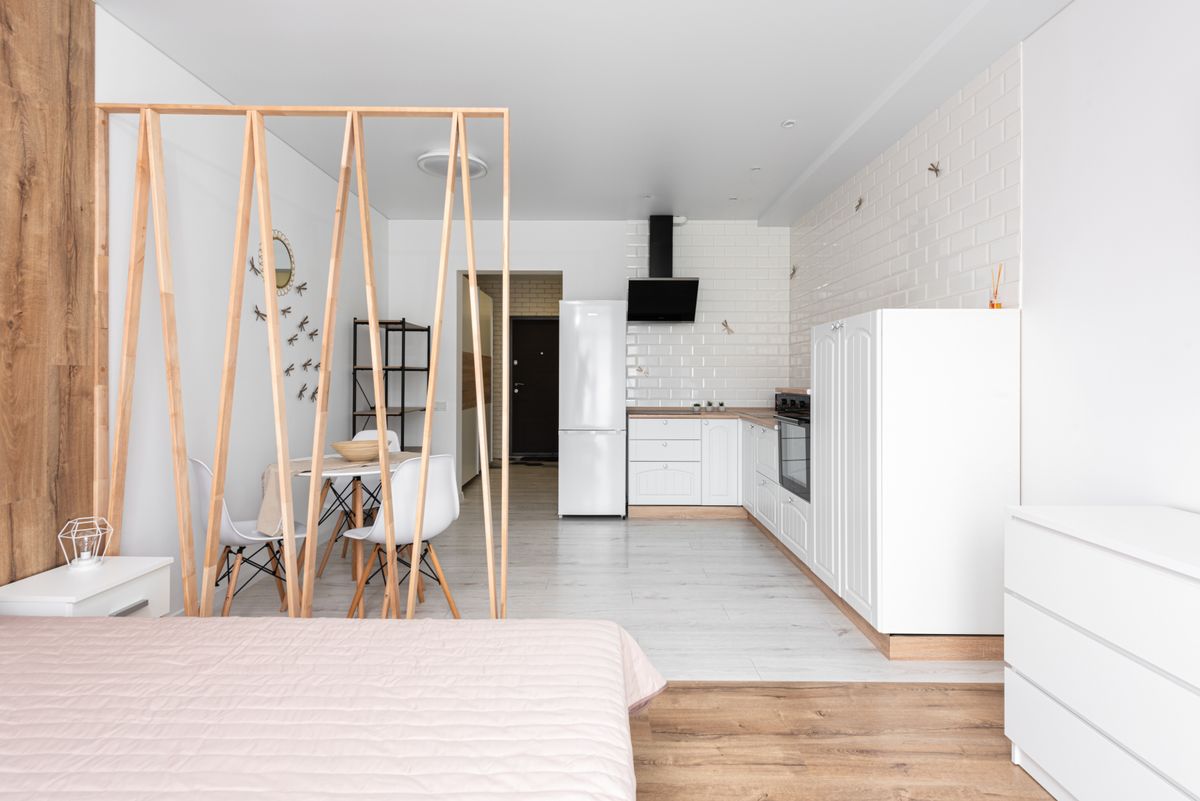
Open floor plans. A 1,200-square-foot home with an open layout feels dramatically more spacious than a 1,800-square-foot home chopped into small, closed-off rooms. Look for kitchens that flow into living areas and minimal hallway waste.
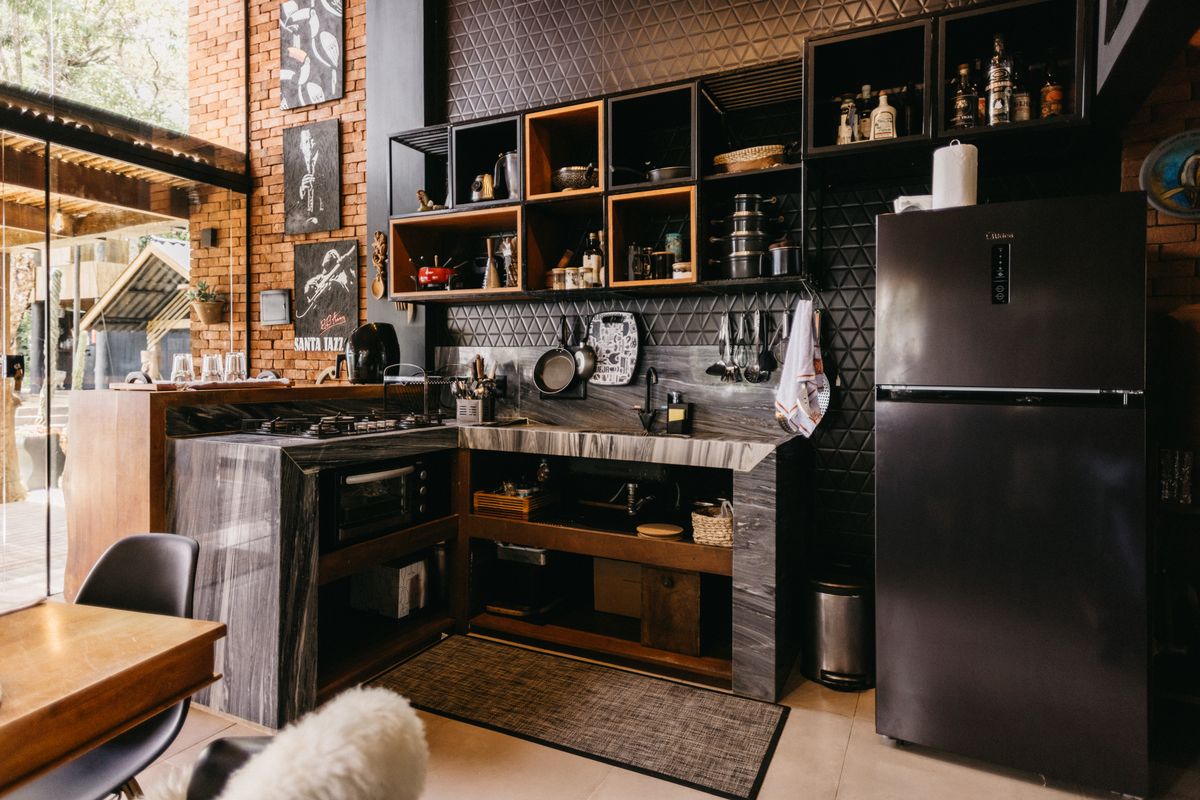
Quality over quantity. Since you are buying less space, invest in better finishes. Upgraded countertops, solid flooring, and good lighting make a compact home feel luxurious rather than cramped.
Storage that works. Built-in organization, walk-in closets with systems, and a garage with shelving can make a small home function like a large one. Tour homes with an eye for storage potential, not just square footage.
Location upgrades. Many downsizers find they can afford a better neighborhood, closer proximity to family, or walkability to shops and restaurants when they trade size for location. A smaller home in a prime area often outperforms a large home in a marginal one for long-term happiness.
Low-maintenance exteriors. Vinyl siding, brick, or stucco require less upkeep than wood. A small patio or courtyard garden can satisfy the urge for outdoor space without the burden of acreage.
The Financial Case: Running the Numbers
Before you commit, create a downsizing spreadsheet comparing your current and projected costs. Include:
Property taxes (often lower on a less expensive home), homeowners insurance, utilities (heating and cooling less space costs less), HOA fees if moving to a condo or planned community, maintenance and repairs, and closing costs for both selling and buying.
Factor in the cost of moving, any renovations needed on the new home, and the emotional cost of leaving a place full of memories. If the net financial benefit is marginal and your emotional attachment is strong, consider whether modifications to your current home, such as adding a first-floor bedroom or installing a stair lift, might achieve your goals without moving.
Avoid These Common Downsizing Mistakes
Underestimating how much stuff you have. Everyone does. Start decluttering earlier than you think necessary. Hire a professional organizer if the task feels paralyzing.
Choosing a home that is too small. Going from 3,000 to 800 square feet is a shock. If you work from home, host grandchildren, or have hobbies that need space, a 1,200 to 1,500 square foot home may be the sweet spot.
Ignoring the emotional transition. Leaving a family home is grieving a chapter of your life. Acknowledge it. Take photos, save a piece of the home like a doorknob or tile, and create new traditions in your new space quickly.
Forgetting to account for HOA and condo fees. A condo may eliminate exterior maintenance but add $300 to $600 per month in association fees. Read the HOA documents carefully before committing. Look at reserve funds, recent special assessments, and the history of fee increases.
Making the Move Work
Downsizing succeeds when you focus on what you gain rather than what you leave behind. Less space means less cleaning, lower bills, and more time for the things you love. A well-chosen smaller home can feel like an upgrade, not a sacrifice. The key is intentionality: know what you need, declutter ruthlessly, and choose a home designed for your current life, not your past one.
Tip: Before you list your current home, spend a weekend living as if you were already in the smaller space. Cook in a compact kitchen, spend time in just one or two rooms, and see how it feels. This exercise can clarify whether downsizing is right for you or whether a renovation would better serve your needs.
If you are considering downsizing, talk to a real estate professional who can help you understand your local market, estimate your home's value, and identify properties that match your next chapter. The right move is not always the biggest one. Sometimes, living smarter means living smaller.
Sources & References
Sources & References
- Highlights from the Profile of Home Buyers and Sellers — National Association of Realtors
- Homebuying resources overview — Consumer Financial Protection Bureau
Ready to grow your real estate brand?
2,900+ ready-to-post real estate posts. Schedule to Instagram, Facebook, LinkedIn, Threads, TikTok, and Pinterest automatically.